Blog
Page 4 of 6 — guides 55–72 of 108 in the library.
The test is simple: a guest who ignores the sport should still admire the picture — stadium light, vintage design, or a peak moment, framed like any other art.
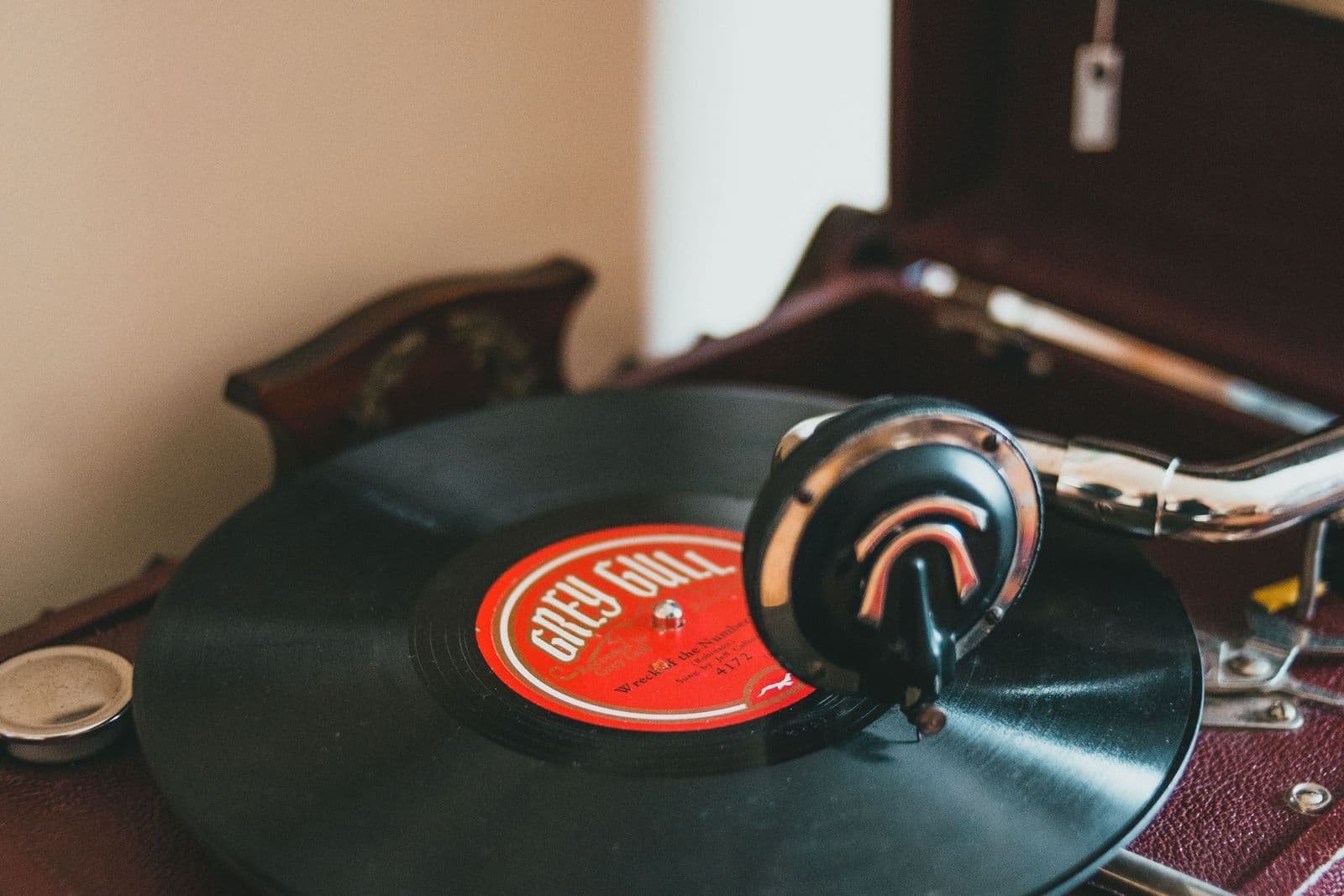
Put the main piece opposite the listening seat, not beside the speakers, and collect it like you collected the music — shows you actually saw, one at a time.
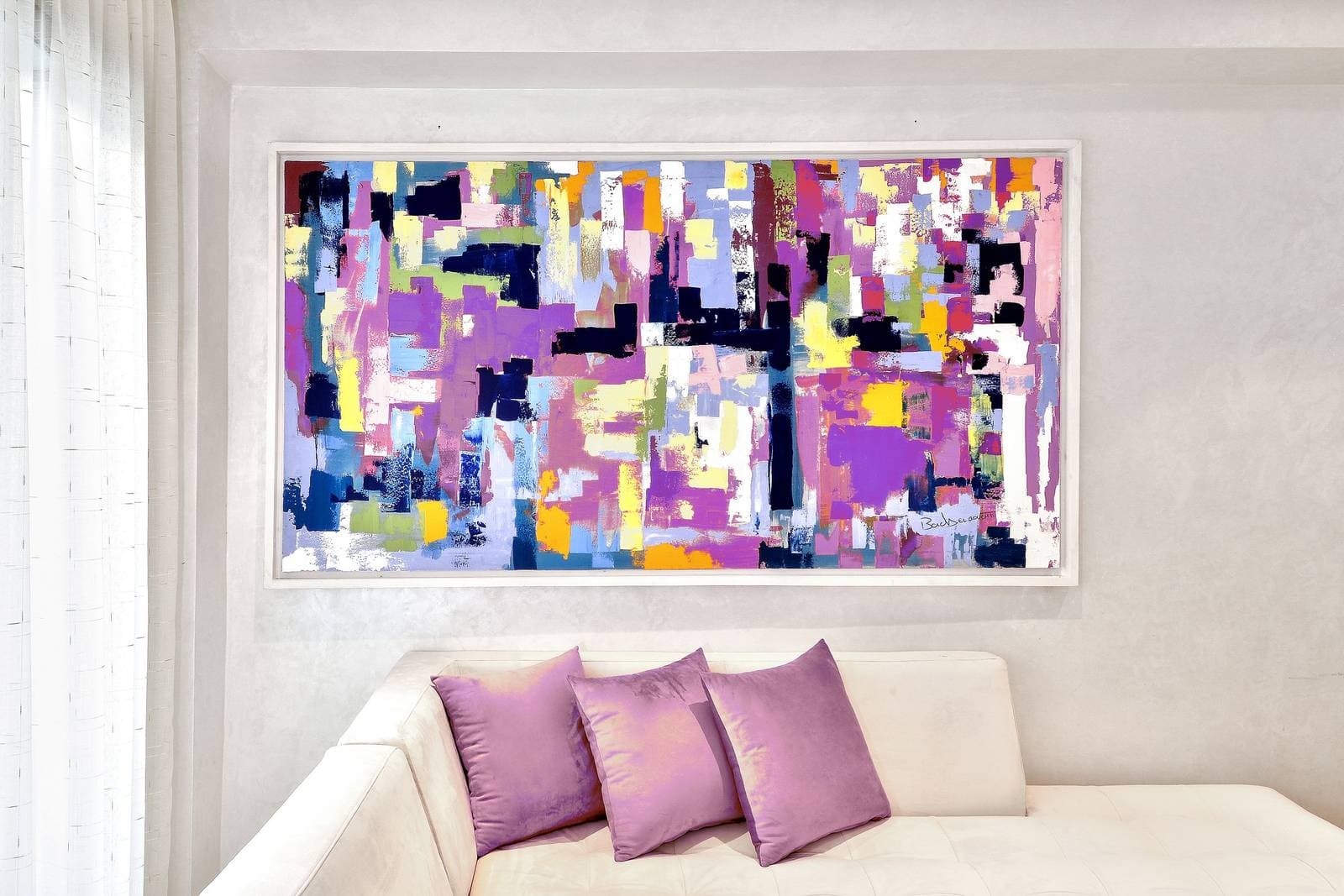
When a room feels shapeless rather than empty, one composed, geometric piece with committed color can give the whole space its governing idea.
This is the one style defined by a date, not a look — work made now, out of now's tools and concerns, that asks to be discussed as much as admired.
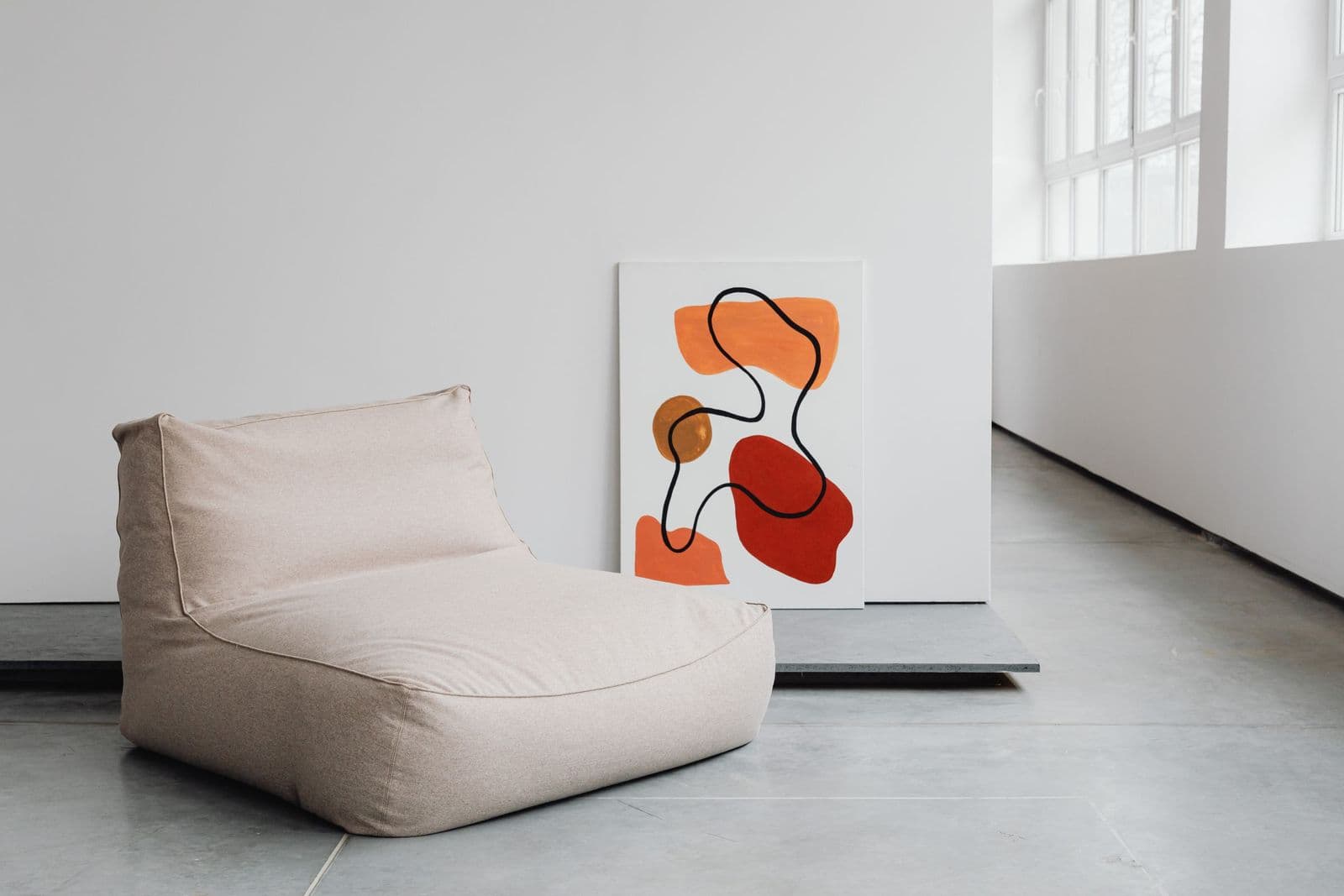
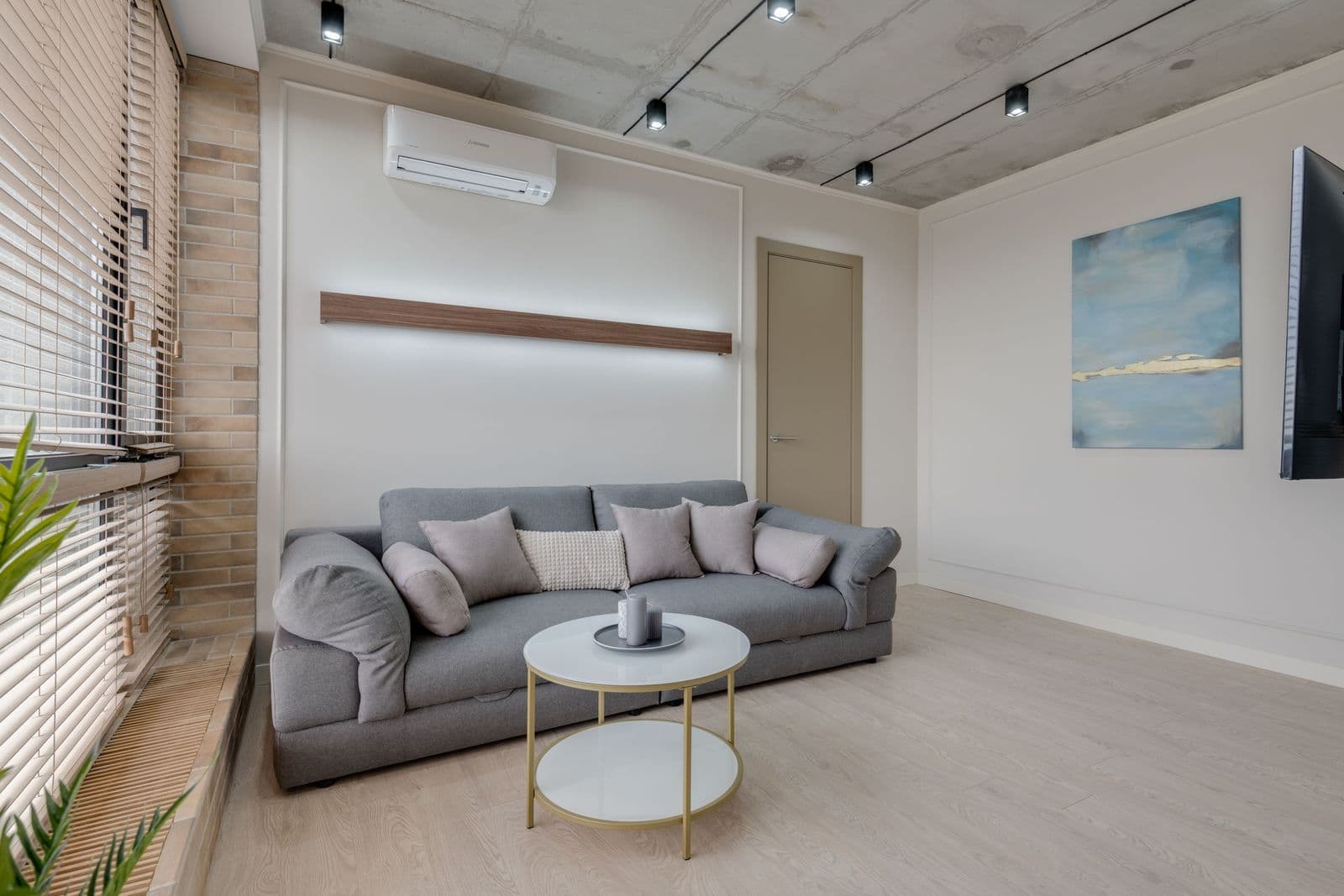
The calmest wall in the house is not an empty one — it is a decided one, where a single restrained image is given more quiet than you first think it needs.
Twenty pieces can still read as one idea — if the colors repeat, the scales vary, and the gaps are planned like grout instead of left to chance.
These images were made to work — selling train tickets, teaching botany, moving soap — and that past life is exactly why they hold a modern wall so well.
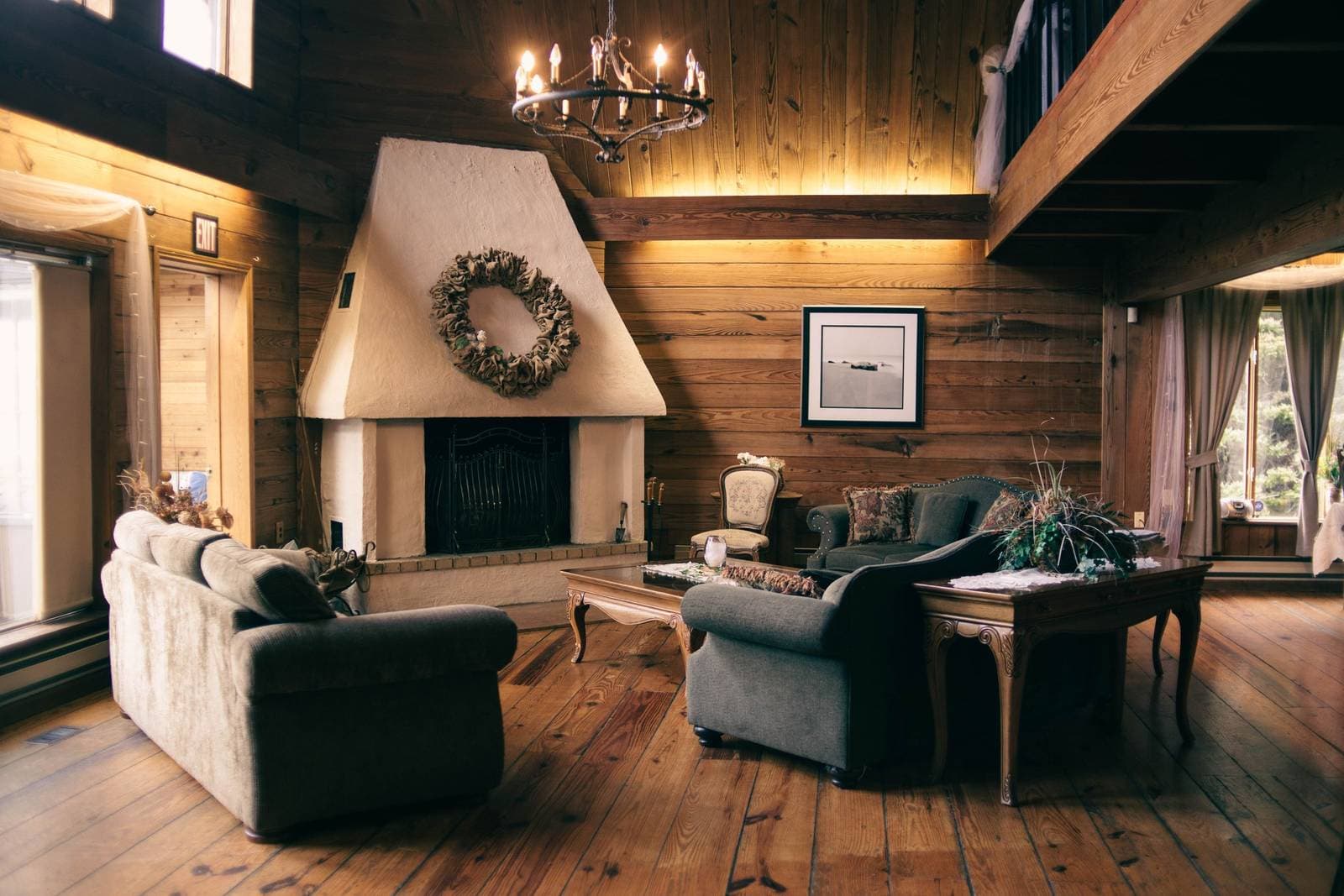
For a home that feels assembled from a catalog, weathered wood, working countryside, and sun-faded color are the fastest honest way to make it feel accumulated.
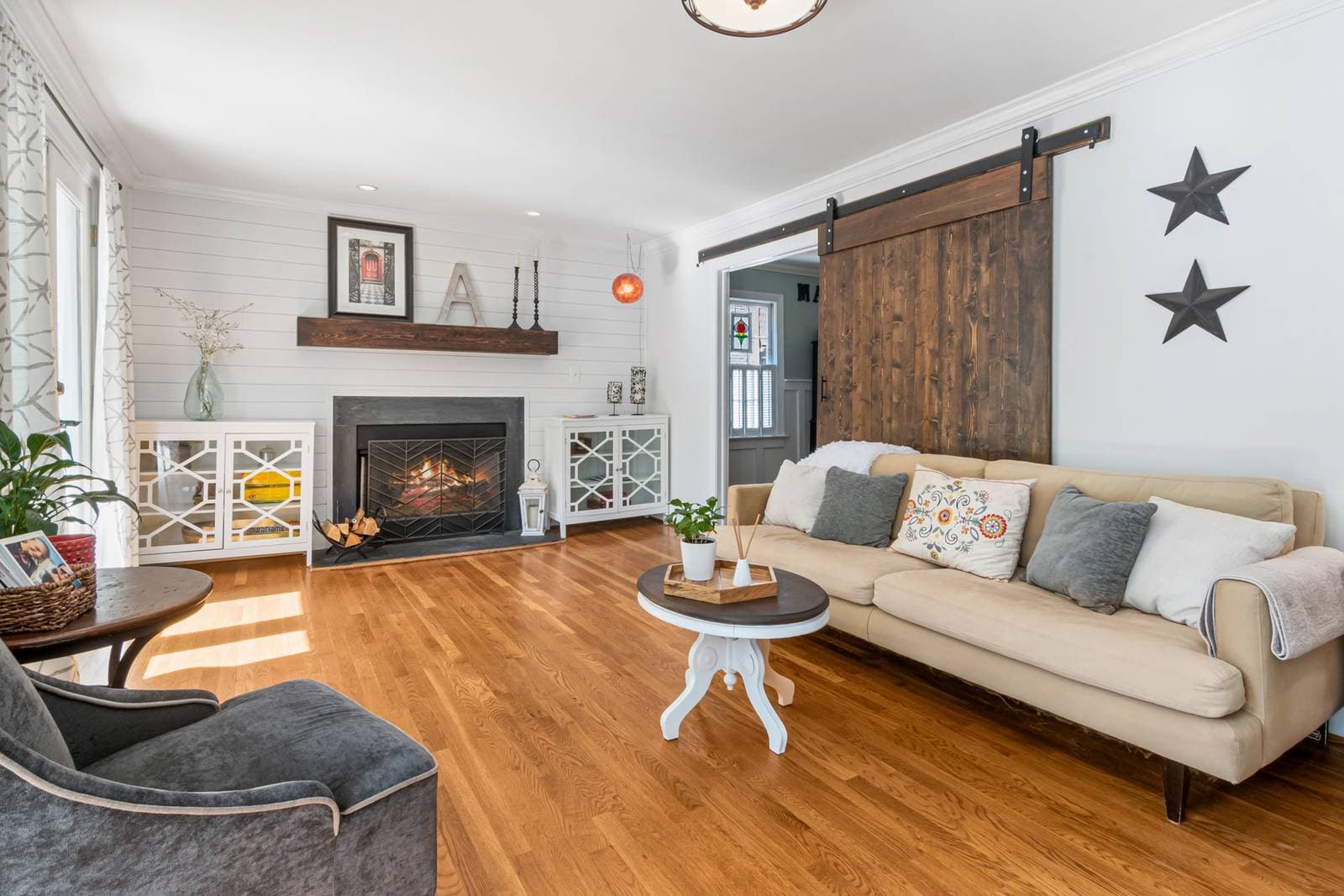
Barns and botanicals stay, clutter goes: the test is whether a quiet, edited piece would still work in a room that is almost white.
Do not buy this wall in an afternoon. Start with an anchor you love, leave honest gaps, and let finds with real stories finish it over months.
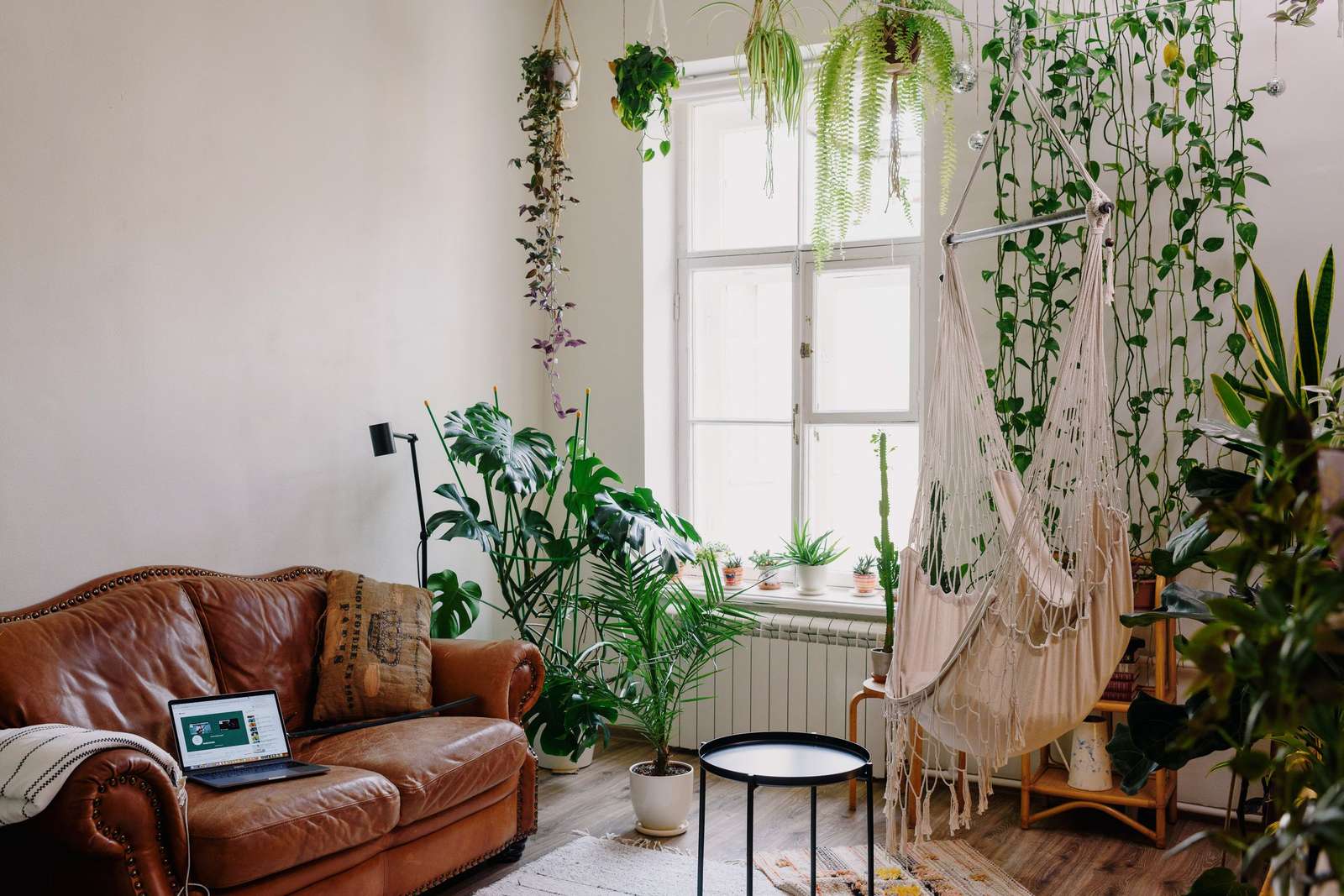
A mood, not an address: garden studies, meadows, and labeled plates in early or late light can soften an ordinary apartment as happily as any cottage.
One sharp sunburst or fan, set like jewelry against a calm wall and warm light, will do more than a whole room papered in deco pattern.
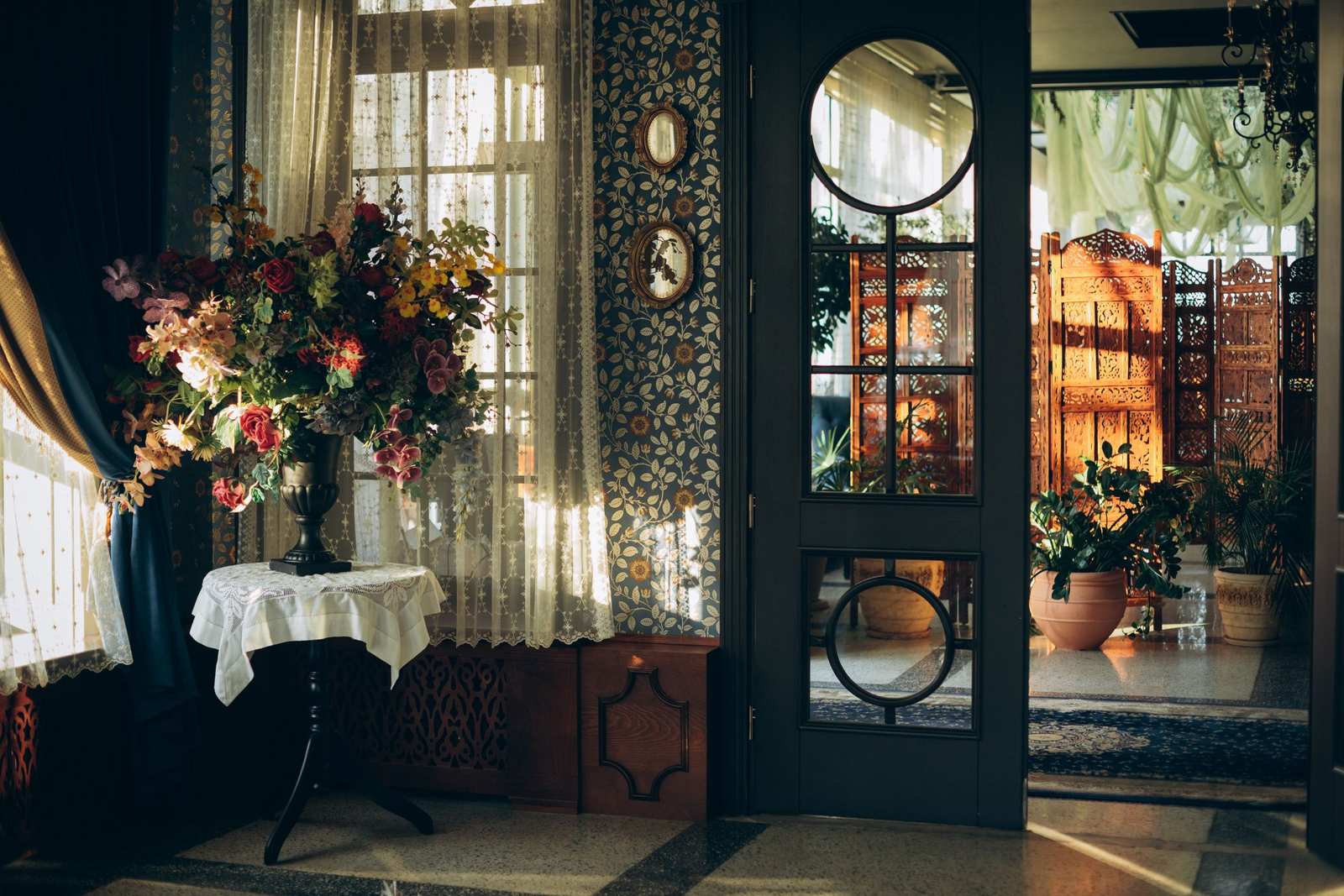
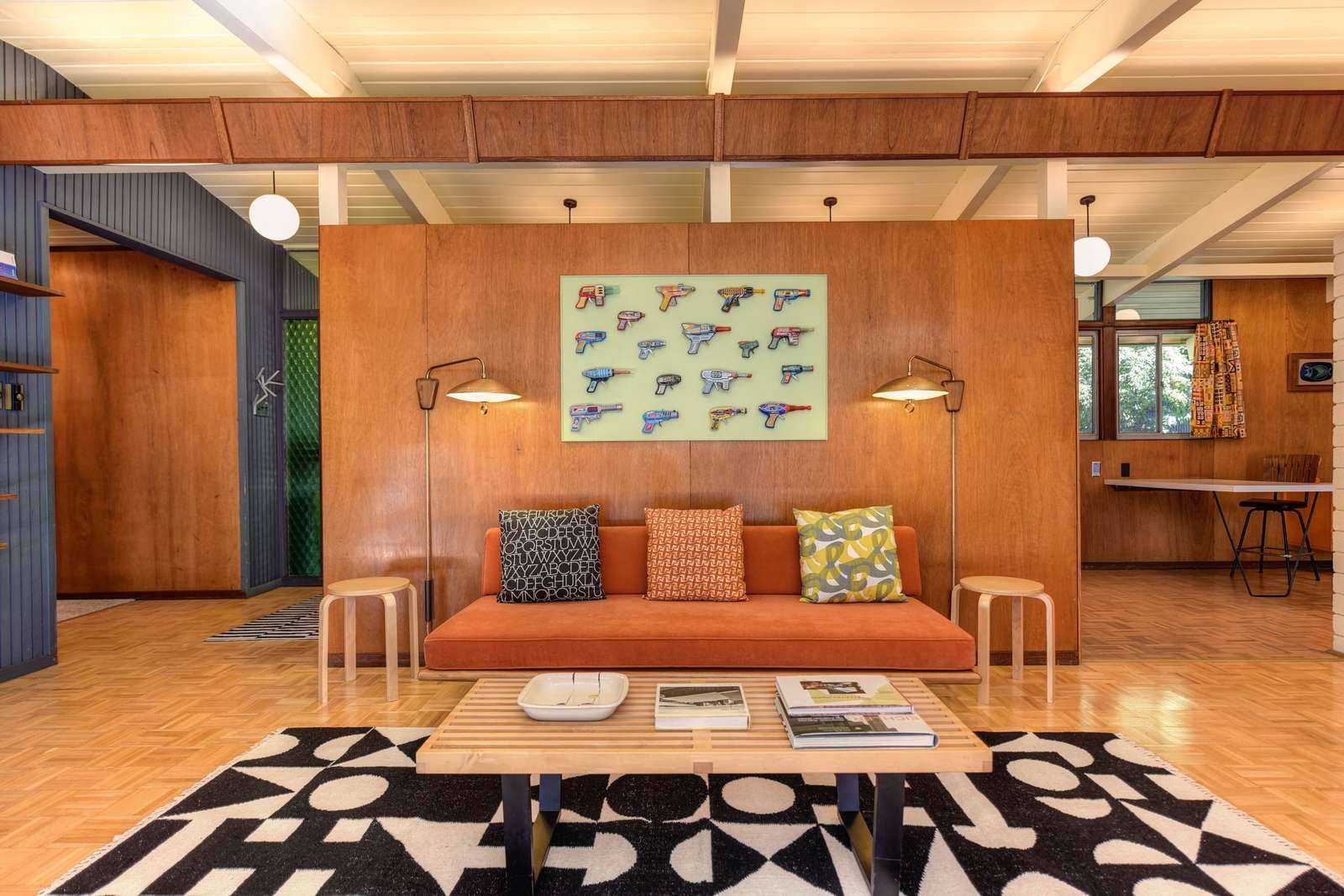
Match the closed palette, honor the horizontal line of the furniture, and leave the wall breathing — that discipline is what separates a citizen of the era from a souvenir.
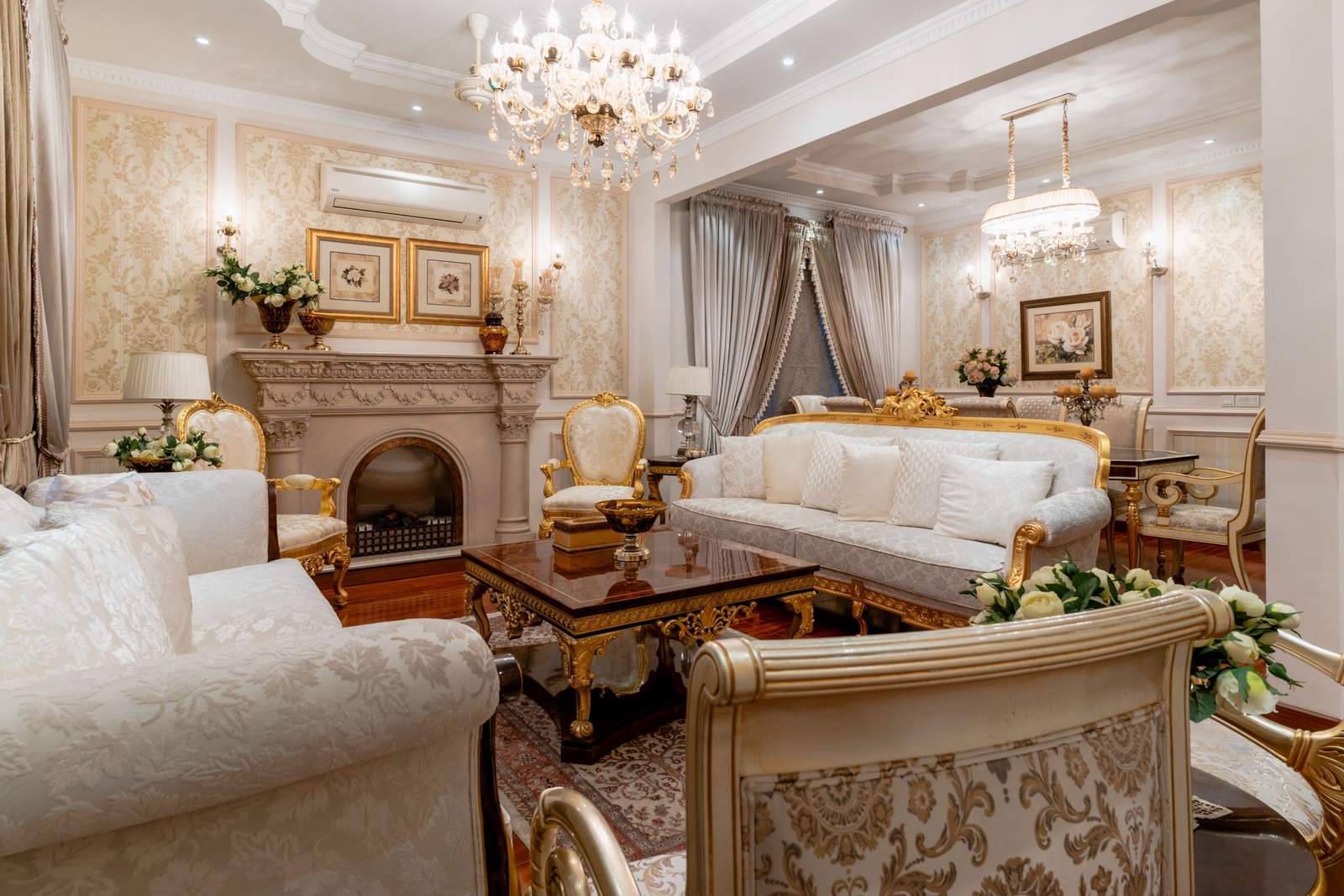
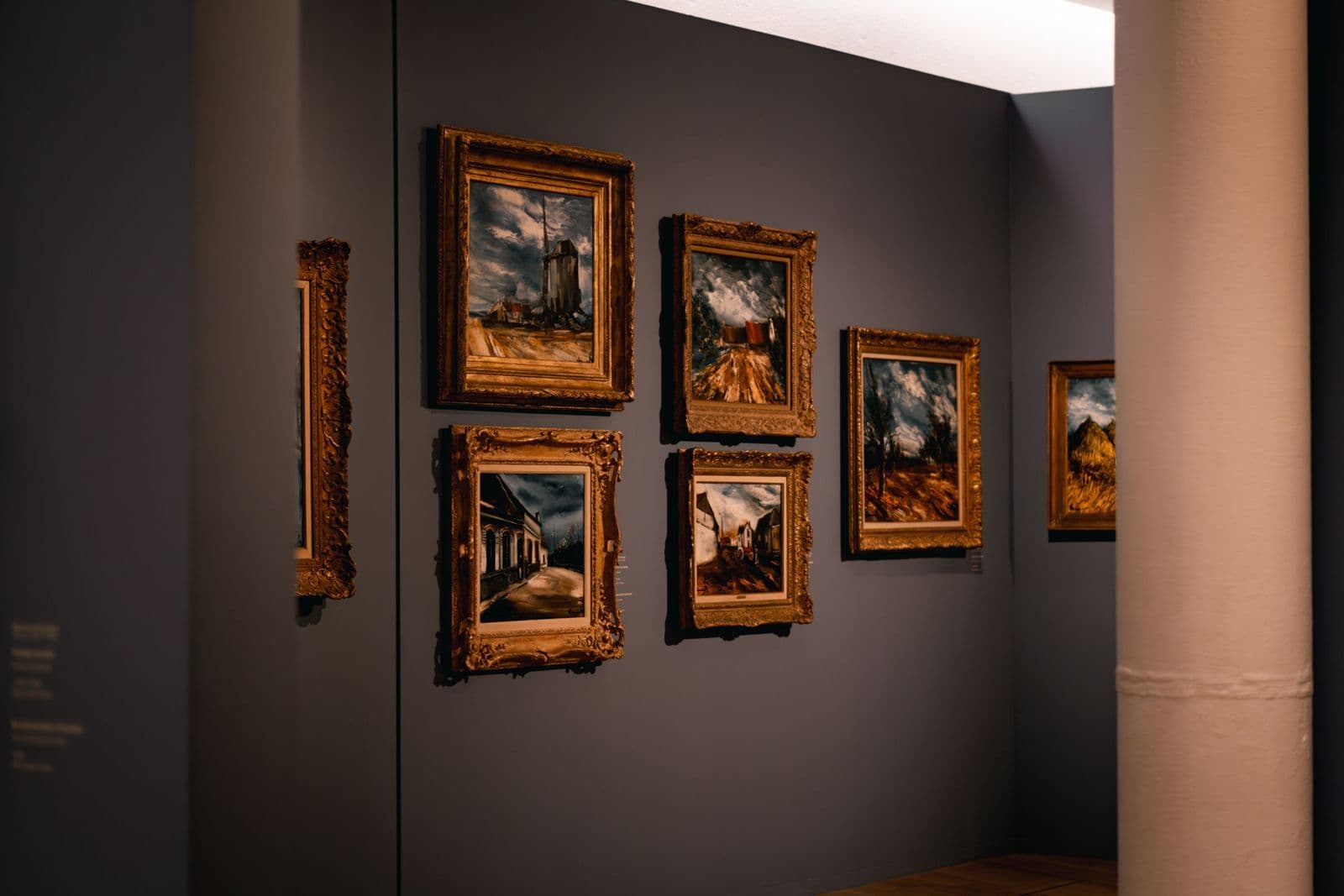
Choose for the third year, not the first glance: depth in the subject, truth in the reproduction, and a classical frame doing half the work.
The question is never whether it goes with the sofa. It is whether it still gives you something new when you stand a foot away, years later.
A phone file can hold up on a wall, but only the original version of it. Small choices about copies, zoom, and sharpness decide the outcome.
Some beloved frames go flat on a wall while quieter ones shine. The difference is usually light, simplicity, and what sits near the edges.
The portrait that works is not the most formal one - it is the frame where your animal looks unmistakably like themselves, eyes sharp and at ease.