

Pet Portrait Ideas From Your Own Photos
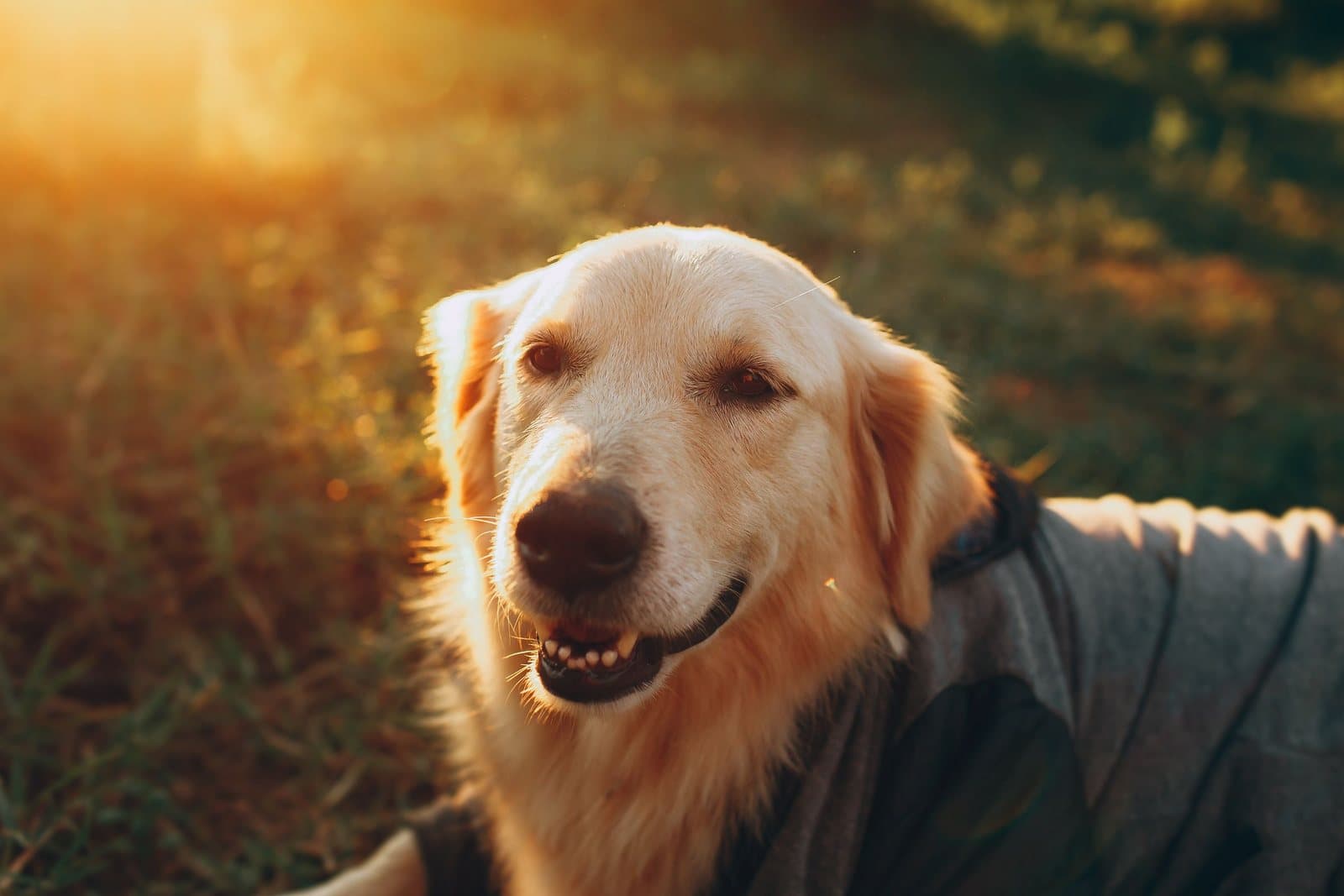
The portrait that works is not the most formal one - it is the frame where your animal looks unmistakably like themselves, eyes sharp and at ease.
Key Takeaways
- Candid beats posed: look for alert-but-relaxed, unposed moments that show character, rather than a managed session where the animal is being held in place.
- Photograph at the animal's eye level and focus on the eyes, checking at full size for sharpness and a catchlight from window light.
- Give fur contrast to read against: dark animals against lighter, plain backgrounds and light animals against darker ones, away from busy patterns.
- Use window light or open shade, avoid flash where you can, photograph after exercise in short sessions, and shoot many frames to find the one true expression.
- For a memorial portrait, choose the frame that feels most like them over the most technically perfect one; character outranks sharpness when the job is remembrance.
A pet portrait succeeds or fails on one test: does it look like them? Not like a dog, or a cat, but like the particular animal who sleeps in the particular patch of sun in your house. The good news is that the photos most likely to pass that test are probably already on your phone — pets are photographed constantly, and the frames where their character shows are the frames you kept. These pet portrait ideas are about finding those frames, taking better ones, and choosing how a portrait should live on the wall so it does the animal justice — and once a frame is chosen, turning that photo into a canvas print is the process that carries it to the wall.
Pet portrait ideas: candid beats posed
Formal pet portraits exist, and a patient animal in a studio setting can produce a genuinely handsome image. But for most pets, personality lives in the unposed moments: the head tilt at a sound only they heard, the chin resting on a paw, the full-body sprawl of a nap in progress. Posed sessions tend to capture an animal being managed; candid frames capture an animal being itself — and being itself is the entire point of the portrait.
There is a productive middle ground: the alert-but-relaxed portrait. The animal is awake, aware of you, and comfortable — ears in their natural position, body loose, gaze soft or bright depending on their nature. It reads as a portrait rather than a snapshot, yet nothing about it is forced. If you are choosing from existing photos, look for that register first. It is the one that survives being looked at every day.
Get the eyes, at their level
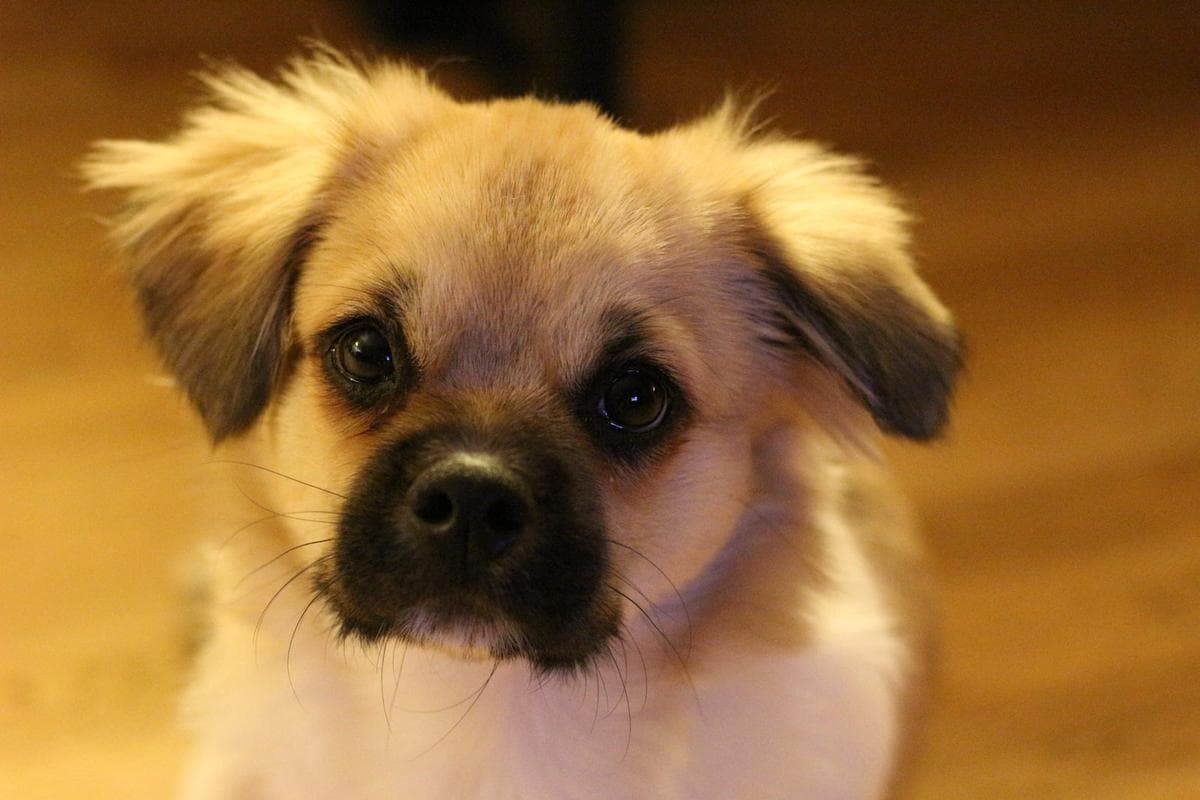
Two technical habits matter more for pets than any others. The first is viewpoint: photograph from the animal’s eye level, not from standing height. The shot from above is the view of an owner; the shot from their level is the view of a companion, and it is the one that feels like a portrait. Sit on the floor. Put the phone on the ground for small animals. The change in feeling is immediate and costs nothing.
The second is focus: it belongs on the eyes, always. A print can forgive softness in fur, in the body, in the background — it cannot forgive soft eyes, because the eyes are where a viewer meets the animal. Look for the catchlight, the small reflection that makes an eye read as alive; window light gives it naturally. When you review candidates at full size, zoom straight to the eyes. If they are sharp and lit, you have your portrait’s foundation.
Backgrounds that flatter fur
Fur is texture, and texture needs contrast to read. The rule of thumb is simple: dark animals against lighter, plain backgrounds; light animals against darker ones. A black dog on a dark sofa becomes a silhouette with eyes; the same dog against a pale wall or bright bedspread becomes a portrait, every whisker accounted for. Busy patterns are the enemy in both directions — a floral cushion behind a tabby, or a cluttered room behind a spaniel, competes with the coat instead of framing it.
Plain does not have to mean staged. A lawn, a rug, a bed with a solid cover, the uncluttered end of a sofa — most homes hold a workable backdrop, and moving two steps sideways to use it is the cheapest upgrade in pet photography. Where the background cannot be helped, a candid taken from slightly farther away, with the animal large in the frame and the room soft behind, keeps the portrait’s priorities straight.
Light for coats and eyes
Window light is the pet photographer’s studio. It is directional enough to model a coat — showing the sheen on a short-haired dog, the depth in a long-haired cat — and gentle enough not to startle anyone. Dark coats in particular live or die by it: black fur in flat, dim light prints as a featureless mass, while the same coat in raking window light shows every gradation. Avoid the built-in flash when you can; it flattens the coat it lights and gives eyes an unnatural gleam that prints worse than it looks on screen.
Outdoors, open shade is the equivalent gift — the shadow of a building or tree on a bright day gives even, detailed light without squinting. However good the photo, judge the final candidate at full size: prints reveal noise in dark fur and softness in eyes that a small screen politely hides.
Photographing the uncooperative
Most pets did not agree to be models, and the candid method works better when it is planned around the animal rather than imposed on it. Photograph after exercise, not before: a walked dog and a played-with cat are settled animals, and a settled animal’s face is its real face. Keep sessions short and let the camera be furniture — a phone propped at floor level while life goes on captures more truth in ten minutes than an hour of calling a name and waving a treat, which produces the fixed, expectant stare known to every pet owner and wanted in no portrait.
Work with an accomplice when you can. One person whose whole job is the animal — holding attention with a favorite sound, standing where the gaze should go — frees the photographer to watch for the moment instead of manufacturing it. And take many frames. Professional animal photographers shoot in bursts and keep almost nothing; the honest secret of the one perfect portrait is the forty imperfect ones it was chosen from. Storage is free. The expression is not repeatable.
Formats, places, and more than one animal
Portrait-orientation prints suit most pet photographs — animals are vertical subjects more often than our landscape habits assume — and a single strong portrait holds a hallway, a reading corner, or the wall beside the door they wait at. Households with several animals face a happier problem: one group portrait, if a true candid exists, or a matched set of individual portraits in a row, which honors each animal equally and is far easier to assemble honestly. Pairing a custom portrait with ready-made animal art from the animal collection also works well — the photograph supplies the family, the art supplies the wild relatives, and our broader look at animal wall art covers how portraits and wilder images sit side by side.
Age deserves a thought of its own. Puppies and kittens change weekly, and a portrait series — the same chair, the same corner, at intervals across the first year — turns that blur of growth into the set owners treasure most. At the other end of life, do not wait for a perfect portrait session with a senior animal. The photograph taken on an ordinary afternoon, gray muzzle and all, at their level and in their light, is the one that will matter. Ordinary was always the point.
A note on memorial portraits, because many pet prints are exactly that: a photograph of an animal who is gone deserves the same checklist, not a stricter one. Choose the frame that feels most like them, not the most technically perfect one. Character outranks sharpness when the print’s job is remembrance.
Pet portrait ideas that make gifts
Pet portrait ideas make some of the surest gifts in this whole subject, because the recipient’s attachment is guaranteed — nobody is indifferent to their own animal. Use a photo the owner took if you can get it; a print of their own snapshot carries a charge that a stranger’s stock image of the same breed never will. The gift collection gathers the pieces we think pair well with a personal print. And when custom printing opens here, pet portraits are among the first things we hope to be trusted with — the standard is simple: the print should make the owner say, before anything else, that’s them.
Timing is the last piece of gift craft. Adoption days, birthdays, and the first holiday after a new animal arrives are the natural occasions — the portrait lands while the household is still in the first flush of devotion, and it grows up on the wall alongside the animal. A portrait given years later, of the animal in their prime, works differently: it is the household’s memory made permanent, and it is rarely the wrong gift either — the same meaning-first logic that our guide to wall art as a gift recommends for any recipient. Pets are not a hard subject to give for. They are only hard to photograph badly and call it done — and now you know the difference.
More in Custom Photo & Gifting

Continue exploring: Custom Photo & Gifting guides · All guides