

Cottagecore Wall Art: Gardens, Soft Light
A mood, not an address: garden studies, meadows, and labeled plates in early or late light can soften an ordinary apartment as happily as any cottage.
Key Takeaways
- Begin with a wildflower meadow — it brings many soft colors at once, harmonizes with almost any gentle palette, and reads as cottage atmosphere even at small sizes.
- Choose light before subject: cream, butter, sage, and dusty rose lit as if through linen, early or late; a harshly lit noon photograph of the right subject will still fight the style.
- Hang vintage natural-history plates where they will actually be read — beside a chair, above a desk, at passing distance — and check that fine lines survive reproduction, because the detail is the picture.
- Watch pattern scale: let textiles run small and busy and let the art run simpler and larger, or small detailed art beside a bold pattern will buzz.
- Group small and medium pieces loosely in thin wood or cream and sage painted frames, near something real and growing — one live green thing gives the wall its harmony.
Cottagecore is the decorating expression of a wish: for a slower, greener, more handmade life, whether or not the cottage itself ever materializes. Its art follows the wish. Cottagecore wall art celebrates the romantic countryside — garden studies, wildflower meadows, mushroom and herb illustrations, cottage scenes in soft light — and it hangs in ordinary apartments and suburbs as happily as in any farmhouse, because what it decorates is a mood rather than an address.
The style is sometimes mistaken for simple sweetness, but its real subject is competence at gentle things: growing, preserving, mending, baking, knowing the names of plants. The art that lasts in this style carries a little of that knowledge with it — a botanical plate that labels its specimen, a garden scene with the tools left honestly in it — rather than pure prettiness with nothing underneath. Its plainer modern cousin — the same rural subjects, disciplined to neutral palettes and clean frames — is modern farmhouse wall art, covered in its own guide.
Cottagecore wall art subjects: garden, meadow, hedgerow
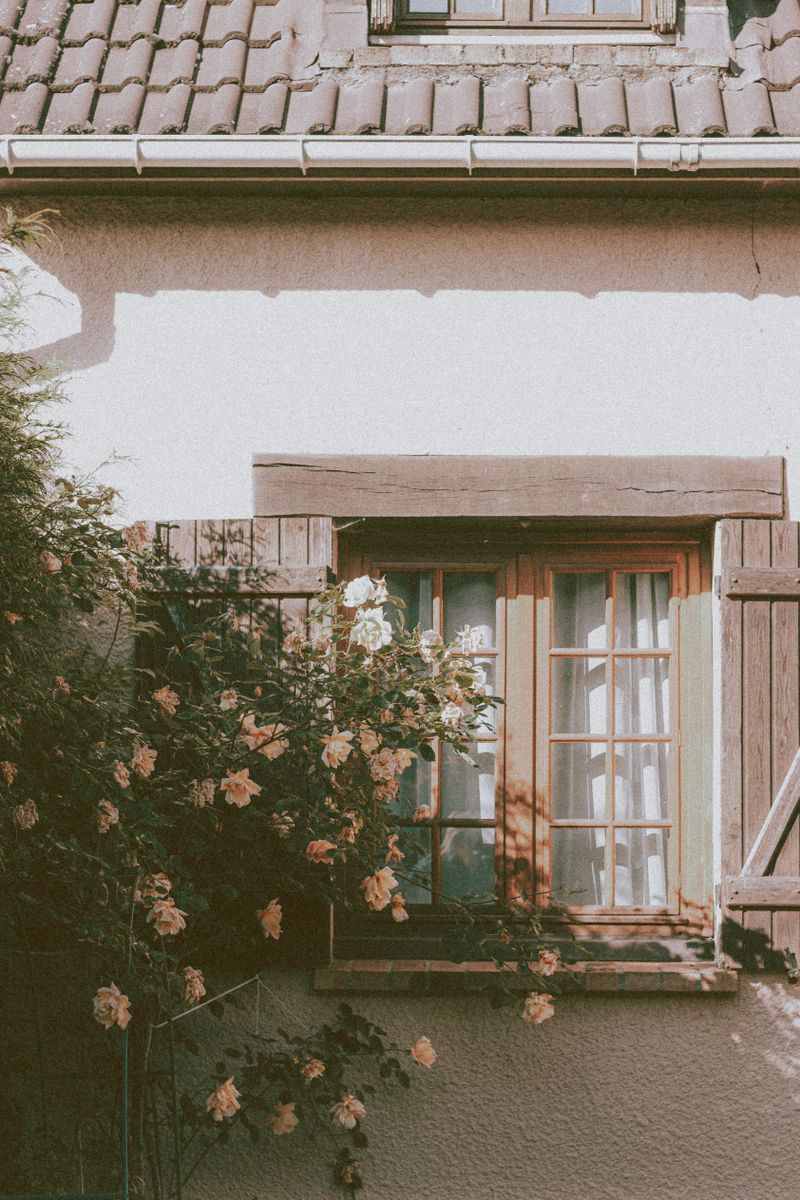
Three families of images do most of the work. Garden studies — cottage borders, kitchen gardens, climbing roses at a door — give the style its cultivated heart. Meadow and wildflower images supply its wilder register: the uncultivated field at the lane’s end, all seed heads and drifting color. Natural-history illustration — the vintage plate tradition of fungi, herbs, birds, and moths — adds the style’s bookish depth and pairs naturally with the reading corners where cottagecore often settles.
The wildflower imagery deserves a specific word, because it is the most forgiving starting point in the style: a meadow piece brings many soft colors at once, which lets it harmonize with almost any gentle palette a room already has, and it reads as cottage atmosphere even at small sizes, where a detailed plate might get lost. Begin with the meadow; add the plates as the wall — and the room — matures.
Light and color in cottagecore wall art: the soft register
Cottagecore color is daylight through linen: cream, butter, sage, dusty rose, faded cornflower, the brown of baskets and old wood. Images in the style are lit the same way — morning sun, golden hour, the green shade under leaves — and almost never at noon. When you choose pieces, prefer the ones whose light feels early or late; a harshly lit, high-contrast photograph of the right subject will still fight the style, because the style is as much a quality of light as a list of subjects.
Saturation follows the same rule. Cottagecore palettes are muted not because the colors are weak but because they are mixed with air and age — think of the difference between a new ribbon and one that has tied bouquets for a summer. If a piece you love runs too bright, placement can help: hang it where daylight is indirect, or let it be the single vivid note in an arrangement of paler ones, a poppy in a field of daisies.
The plate tradition: why the old illustrations fit
Cottagecore’s deepest root is the illustrated book. For two centuries, botanical and natural-history plates were how most people learned the living world: hand-drawn, carefully labeled, printed in editions meant for parlors as much as for scientists. That dual citizenship — study and decoration at once — is exactly the style’s character, and it is why vintage plates of fungi, ferns, herbs, and garden birds hang in cottagecore rooms with an authority that newly drawn imitations rarely achieve. The old plates were made slowly, by people who had looked at the specimen for days, and the looking shows.
Reproductions of these plates are the honest way most of us will own them, and the style raises no objection — the originals belong to libraries and print rooms. What matters is fidelity at small scale: the fine lines of a fern or a mushroom’s gills are the whole content of a plate, and a coarse reproduction that loses them has lost the picture. Hang plates where they will actually be read — beside a chair, above a desk, along the hallway at passing distance — rather than high on a wall where their detail becomes wallpaper.
Pattern company: gingham, toile, and quiet prints
Art in this style rarely hangs alone; it hangs among patterned things — checked cloth, floral curtains, woven blankets — and the patterns set the terms. Gingham and small checks are the style’s ground rhythm, and art with a similar small scale of incident sits comfortably among them. Toile-style imagery, with its little pastoral scenes repeated across a field, is practically the style’s own wallpaper logic and pairs naturally with framed garden pieces. The failure to avoid is scale conflict: a wall of small, detailed art beside a large, bold pattern will buzz. Let one of them — usually the textile — run small and busy, and let the art run simpler and larger than you first planned.
Seasonal rotation suits the style’s subjects unusually well, because a garden is a calendar. A modest set of pieces can turn with the year: snowdrops and bare branches early, blossom and greens after, the harvest and the fungi to close. Rotating a few prints in the same frames keeps the room in step with the window and gives the wall a gentle event four times a year — very much in the spirit of a style built on paying attention to what is growing.
Framing and arrangement: the cottage manner
The style favors small and medium pieces in groups over single grand statements — the cottage wall as a gathered shelf of images. Thin wood frames, painted frames in cream or sage, and the occasional oval or arched shape suit it; heavy black gallery frames pull the same images toward a different, more urban style. Groupings are loose rather than gridded: a plate above a print, a small landscape beside both, edges unaligned but colors in conversation.
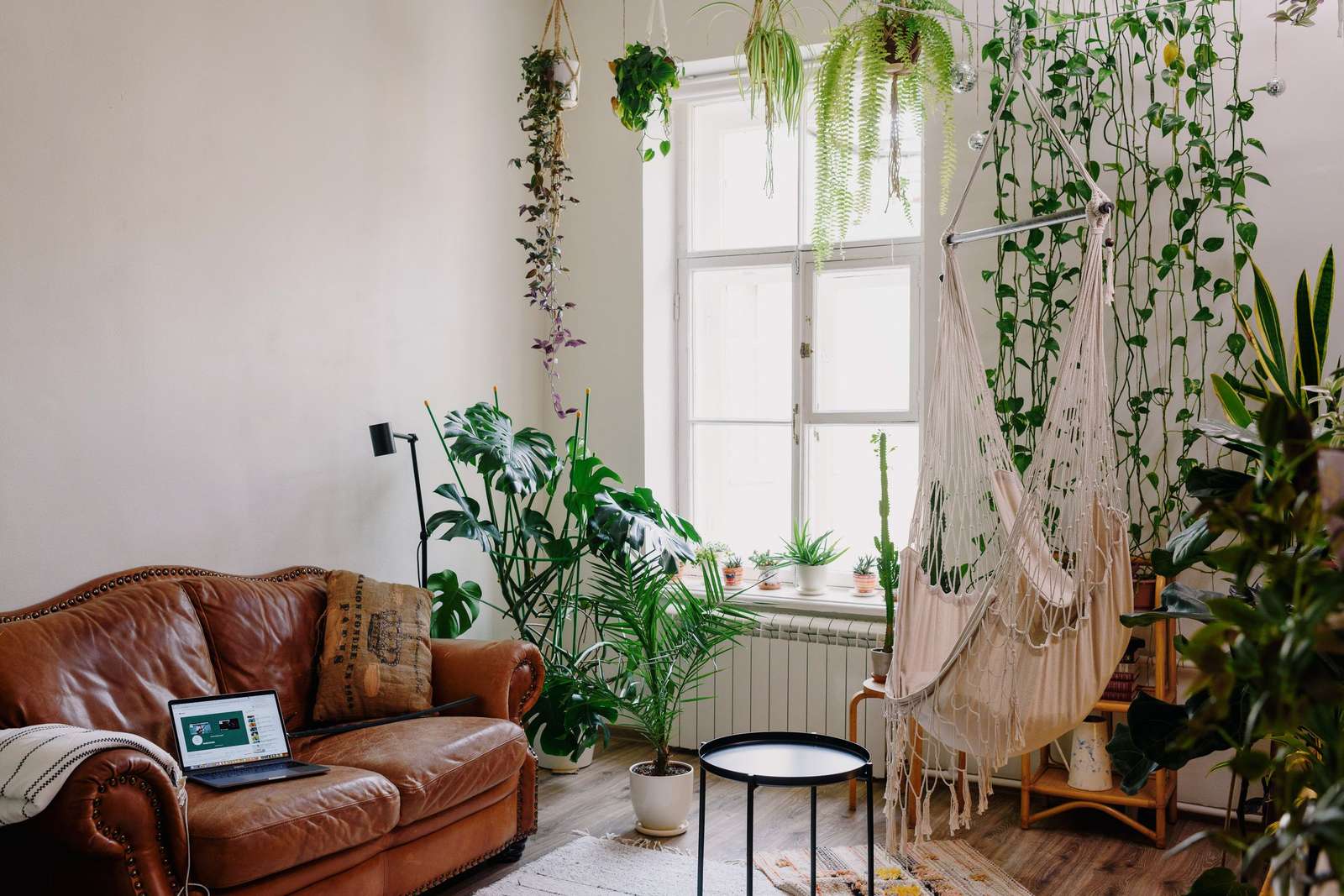
Proximity to real growing things completes the effect. Cottagecore art hangs best near the windowsill herbs, the vase of whatever is blooming, the stack of seed catalogs — the images and the life rhyming with each other. A wall of garden art in a room with no plant at all still works, but it works the way a song works hummed; one real green thing gives it the harmony.
Where it settles best
The bedroom is the style’s first home: garden studies and meadow pieces above a bed or a dressing table set the room’s tempo to slow before the day has said anything. Reading corners and nurseries take the natural-history plates beautifully, and kitchens welcome the herb and mushroom illustrations with a logic anyone can feel — the art depicts what the room is for. Small rentals benefit disproportionately: the style asks for little square footage, since its pieces are modest and its charm is density of care rather than scale.
Bathrooms and hallways are the style’s secret strongholds. A hallway hung with a run of small plates becomes a gallery of the hedgerow, walked daily; a bathroom with one soft garden piece and a plant on the sill turns a functional room into the house’s quietest minute. Choose cottagecore wall art where you want the day to soften — it does not ask for a cottage, only for a wall and the wish. Cottagecore is one of the sixteen styles surveyed in our plain-language field guide to wall art styles.
More in Style Guides

Continue exploring: Style Guides guides · All guides