

Botanical Wall Art: Plates and Leaf Studies
These plates began as science, not decoration, which is why they hold a wall so quietly. From vintage plates to single-leaf studies, here is how to frame and group them.
Key Takeaways
- Know the three forms: vintage plates show one whole species with dissected details and reward close looking, modern leaf studies read as calm silhouettes from across a room, and garden photography trades precision for season and light.
- Match plant family to room: herb plates carry the strongest kitchen logic, ferns are the coolest and calmest family for bathrooms and hallways, and orchids and exotics are the drama family best given a wall of their own.
- Group plates as the grid they were published for — four, six or nine related plants in identical frames and generous mats with narrow, regular spacing — so the wall reads as a collection, not a coincidence.
- Respect the paper's age: use cream-family mats rather than bright white, and beware reproductions enhanced into modern saturation, which lose the soft hand-coloured character that makes a plate worth having.
- Hang botanicals where people pass slowly, such as beside the table, along the stairs or above a desk; placed high over a doorway or in a dark corner, a plate's fine detail is wasted.
Botanical art began as science. Before photography, the only way to record a plant precisely enough to identify it — to tell the remedy from the poison, the crop from the weed — was to draw it: root, stem, leaf, flower, and seed on a single page, true to life and labeled like evidence. That working origin is why botanical wall art still feels different from every other flower picture: it carries the calm of a studied thing. This guide covers the plate tradition and where its public-domain treasures live, the modern leaf study that succeeded it, garden photography’s softer third way, and how to frame, group, and place them all. Botanicals are one family in the wider survey, wall art by subject, where each family is weighed before you commit to one.
Botanical wall art plates: one plant, whole truth
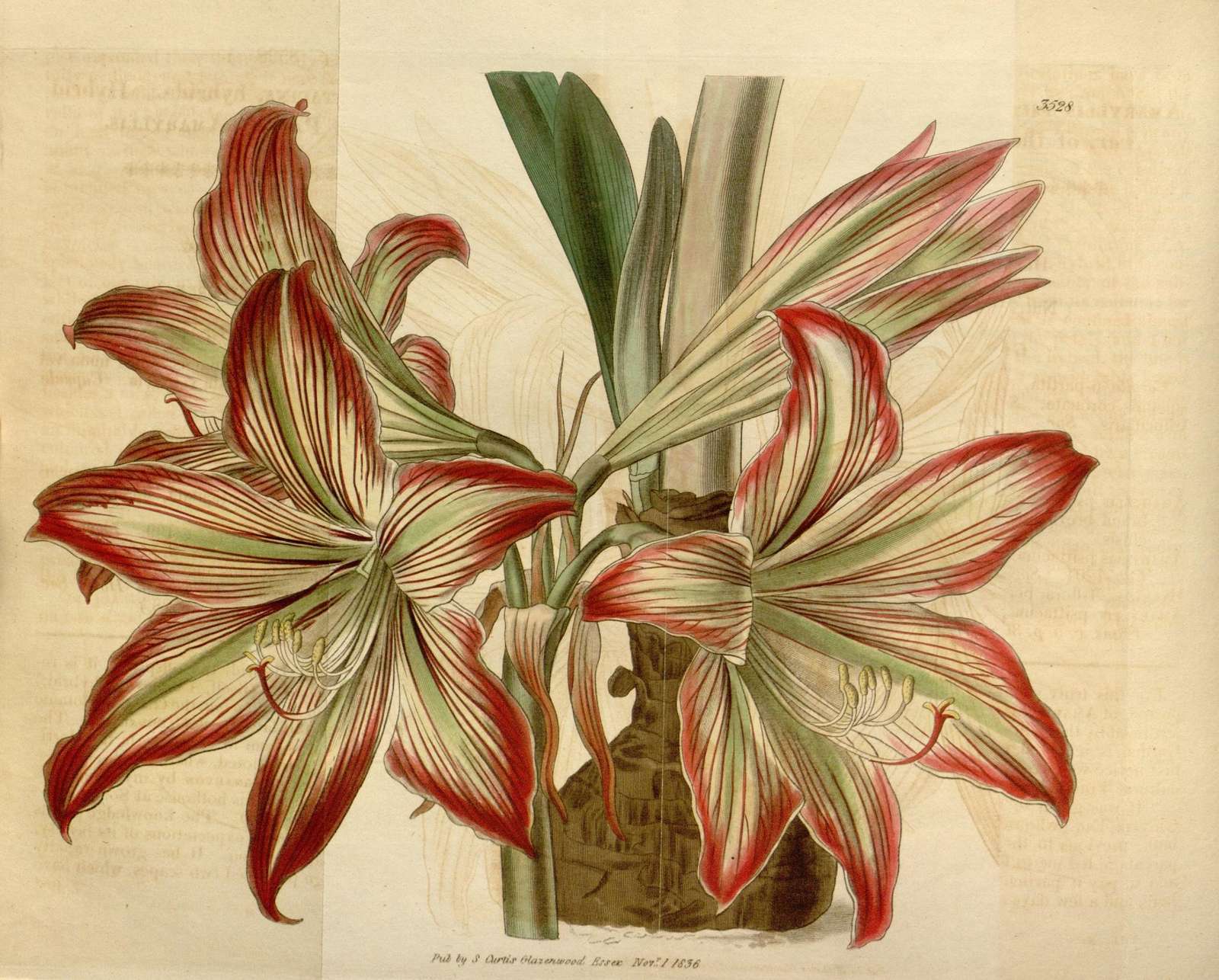
The classic botanical plate shows a single species complete — often with dissected details drawn alongside: a petal opened, a seed pod sectioned, a root washed and laid bare. Expeditions carried artists the way they later carried cameras, and the great published collections of the eighteenth and nineteenth centuries were how the world’s plants became known to people who would never see them grow. Because the plates were made to be studied, they hold a wall the way a page holds a reader: quietly, and for a long time. A single plate is a portrait with footnotes; it rewards the viewer who comes close.
Many of the finest historical plates are now in the public domain, and large collections of them sit in open repositories — Wikimedia Commons and the Biodiversity Heritage Library among them — free to print and frame. Famous sources include the lush German medicinal-plant plates of Köhler’s Medizinal-Pflanzen and the long-running English Botanical Magazine founded under Curtis, whose hand-colored plates set the template the genre still follows. When you buy or print a “vintage botanical,” you are usually looking at one of these — and the genuine article, with its plate numbers, Latin binomials, and slightly foxed paper tone, is more beautiful than modern imitations precisely because it was never made to be decoration. It was made to be right.
Botanical wall art today: the modern leaf study
The plate’s contemporary heir strips the science away and keeps the specimen. A single monstera leaf, a fern frond, an olive branch — photographed or painted against a plain ground, large, calm, and graphic. Where the plate is information, the leaf study is silhouette: it reads from across the room, pairs effortlessly with modern furniture, and brings the green without the meadow’s busyness. Watercolor versions soften the idea further, bleeding the edges; black-and-white versions turn it into pure architecture, all rib and vein.
Leaf studies are the most forgiving art in this whole guide: they suit nearly every room, offend nearly no palette, and survive changes of furniture around them. Their one risk is blandness at small sizes — a single leaf needs enough scale to be a statement rather than a specimen card. Hung in a pair — two leaves, two treatments of one plant, or leaf and flower of the same species — they gain the comparative pleasure of the old plates without the footnotes.
Choosing by plant family
Within the plates, families have personalities, and matching family to room is the quickest way to a set that feels intended. Herbs — sage, rosemary, lavender, the whole apothecary shelf — carry the strongest kitchen logic, since the drawings were made for people who cooked and dosed with these plants. Ferns are all architecture and no flower: frond geometry in deep greens, the coolest and calmest family, natural in bathrooms, hallways, and any room short on light and long on tile. Roses and garden flowers are the romantics, drawn at the height of bloom with a portraitist’s care; they suit bedrooms and dining rooms and anything upholstered. Trees and leaves — oak, maple, chestnut, shown as branch, leaf, and seed together — are the most architectural of all, almost diagrams, and hold modern rooms beautifully. Orchids and exotics, the expedition trophies, are the drama family: strange, gorgeous, unmistakably collected, best given a wall of their own or the center of a grid.
The Victorians understood the fern family with an enthusiasm that became a named craze — pteridomania, fern madness — when collecting, growing, and drawing ferns filled parlors with glass cases and albums. The episode is a reminder that botanical taste runs in cycles of obsession, and that the plates on your wall were, for their first owners, not background decoration but the record of a passion. Choosing a family you actually care about — the herbs you cook with, the trees on your street — puts you in that older, better tradition: a collection, not a filler. That collected, garden-loving mood is also the heart of cottagecore walls of gardens and soft light, where botanicals do much of the decorating.
Color, paper, and the honesty of age
Original plates were printed in black ink and colored by hand, plate by plate, which is why no two antique copies are quite alike and why the color has its distinctive quality: watercolor washes laid over engraved line, soft at the edges, slightly uneven in the skies of green. Good reproductions preserve that character. Beware versions that have been “enhanced” into modern saturation — a botanical plate with neon petals has lost the very thing it was selling, which is the nineteenth century’s way of seeing.
The paper matters as much as the ink. Plates lived on cream, off-white, and gently toned stock, and the tone is part of the image: float a plate on a bright-white mat and it looks marooned. Choose mats in the cream family, or ask for the reproduction to carry its original paper tone edge to edge, and the piece settles. Foxing — the small brown age spots on genuinely old paper — divides opinion; on a true antique it is provenance, on a fresh print it is a costume effect, and most rooms are better served by a clean sheet honestly printed. The rule underneath all of this: botanical art is about accuracy — to the plant, to the process, to the period — and every staging decision that respects accuracy makes the wall better.
Garden photography: the third way
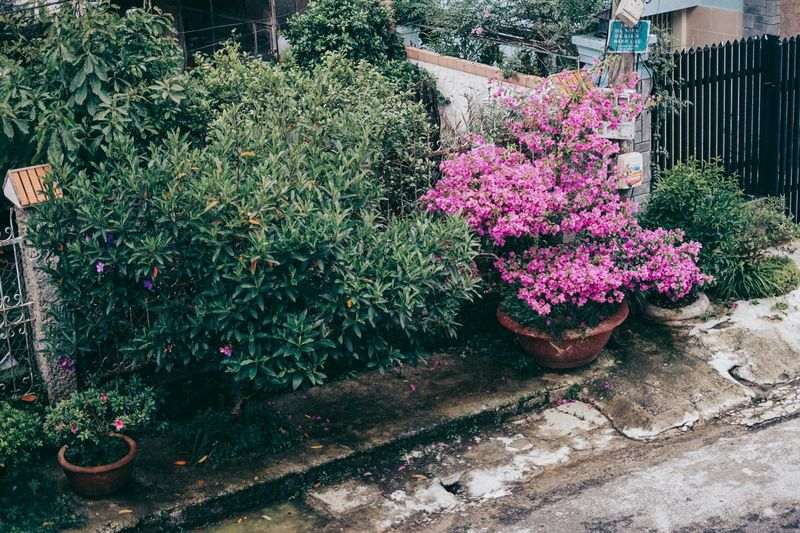
Between plate and leaf study sits garden photography: the plant in its place, at its moment — a border at dawn, a greenhouse aisle, one rose carrying the whole frame. Garden photographs are softer and more atmospheric than either formal tradition; they trade precision for season and light. They suit rooms that want the garden’s mood rather than its botany, and they are the natural choice when the art should echo an actual garden outside the window — same palette, different weather. Where the garden grows untended — meadows, verges, field edges — the subject changes name: wildflower pictures, meadows without the maintenance, get their own guide in this series.
Framing and grouping: plates were made in series
Botanical art groups better than any other subject, because it was published in series and thinks in sets. The classic arrangement is the grid: four, six, or nine plates of related plants — all herbs, all ferns, all roses — in identical frames with identical mats, hung with narrow, regular spacing. The grid borrows the authority of the archive; the eye reads it as a collection, not a coincidence. Keep the frames plain (thin wood or black, nothing gilded into fuss) and let the mat be generous: the original plates floated in wide paper margins, and a wide mat restores that breathing room.
Framing style is where the vintage character is set. True plates and their reproductions want the traditional treatment — mat, frame, often glass — because they are works on paper and look it; a plate stretched on canvas is a costume, and the subject knows it. Modern leaf studies, born digital, take any finish, including canvas and metal. Mixed groupings work when one rule holds: same frame family across the set, even if the images inside mix plate, photograph, and study.
Rooms botanicals suit
The kitchen is the botanical’s home ground — herb plates above a worktop are the oldest decorating idea in this article, being both beautiful and nearly a reference library — and dining rooms take fruiting branches and garden studies with equal ease. Bathrooms love ferns in every form: the plate’s cool order suits the tiled room, and the subject flatters the one room where real plants often sulk in low light. Hallways and stairwells, too long for one picture and too narrow for furniture, are where the plate grid was born to live. Bedrooms take the softer end: watercolor leaves, pale garden photographs, anything that rustles rather than asserts.
One placement caution, offered by the plates themselves: this is close-looking art. Hung where nobody can approach — high over a doorway, deep behind glass in a dark corner — a plate’s fine print is wasted. Give botanical wall art the walls people pass slowly: beside the table, along the stairs, above the desk. And if you are choosing a first piece, let it be a plant you would stop for outdoors — the species you can name, or the one you keep meaning to learn. Recognition is the hook this subject fishes with; every later plate in the set is easier once the first one is personal. A plant studied is a plant kept, and a wall of them is the cheapest greenhouse ever built — no watering, no casualties, in bloom in every month of the year.
More in Subject Guides




Continue exploring: Subject Guides guides · All guides