

Wall Art Subjects: Choosing What Walls Say
Before style or size, what a picture is of decides how the room will feel. This map of the major families helps you pick the one that fits the life in front of it.
Key Takeaways
- Choose the subject first, before style, format or size: name the mood the room must hold — calm, energy, warmth, focus or welcome — then pick the subject family that reliably produces it.
- Let one subject lead each room, with others only supporting; two subjects of equal weight in one sightline make the eye negotiate and the room feel restless.
- Choose subject and size together, because scale changes the subject: a small wildflower is a study, the same flower at 48 inches becomes almost abstract architecture.
- Match family to room: bedrooms want calm from landscapes, botanicals, marine life or soft abstracts, while kitchens and dining rooms are home ground for still life, botanicals and food subjects.
- For abstracts, use the two-second squint test: judge the blurred balance of light and dark, movement and colour temperature, because that is what the room will live with at a glance.
Before style, before format, before size, there is a simpler question: what is the picture of? Choosing among wall art subjects is the most powerful choice in wall art, because the subject sets the mood of the room before anything else registers. A wall of misty mountains and a wall of jewel-toned peacocks can be the same size, in the same frame, in the same style family — and the rooms they create will feel nothing alike. This guide walks through the major subject families, what each one brings to a room, and how to match a subject to the life that happens in front of it.
Landscapes: the room-expander
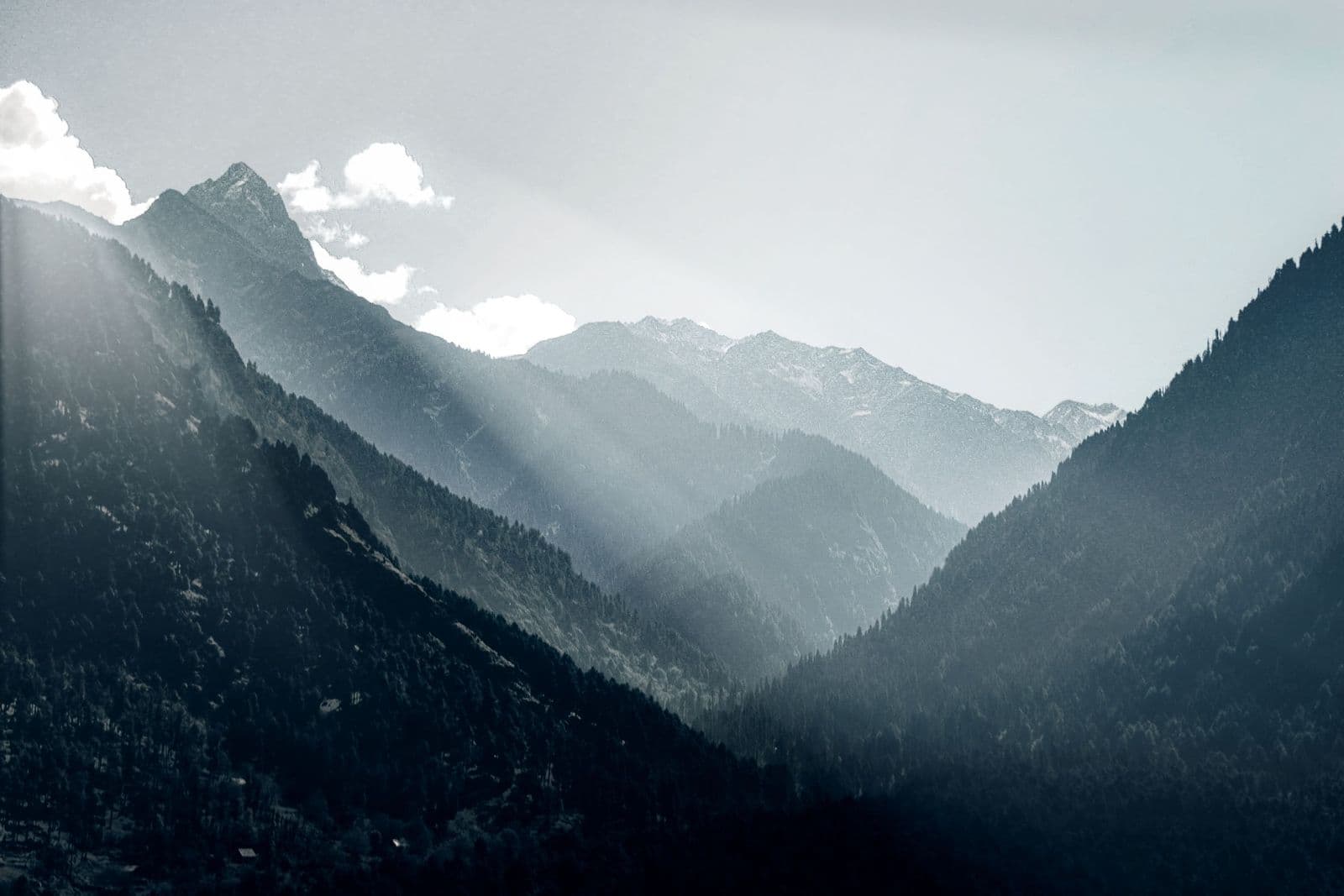
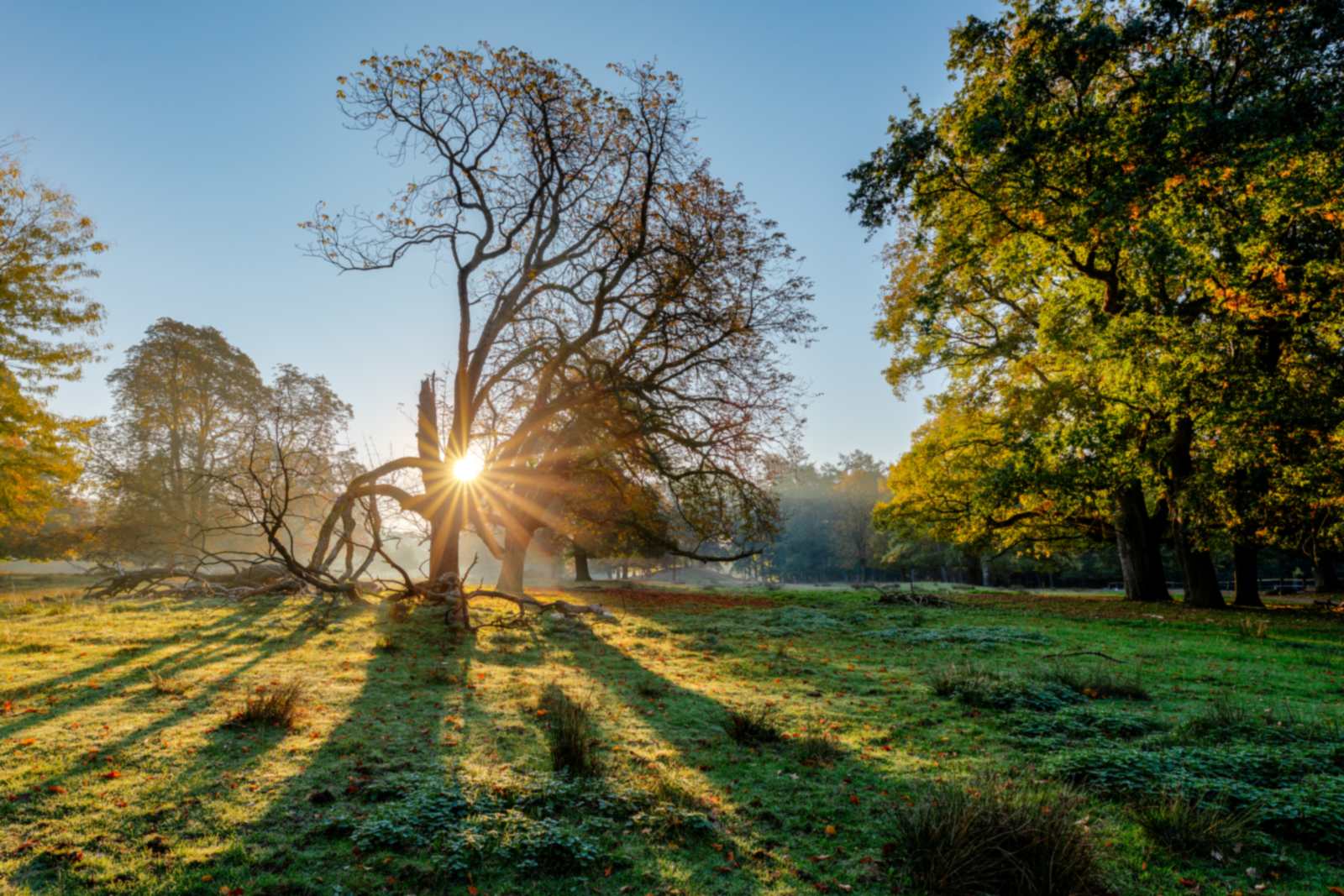
Landscapes are among the most chosen subjects in wall art, and the reason is architectural: a landscape contains a horizon, and a horizon gives the eye somewhere to travel. In a small or window-poor room, that depth reads almost like borrowed space. Within the family, the variations steer the mood precisely. Mountains bring stillness and scale — the calm of high, empty places. Forests bring enclosure and green depth, a sense of being inside the view rather than looking at it. Coastal scenes and beaches bring light and air, the most openly cheerful mood on this list. Choose the landscape the way you would choose a view if you could move the house: what do you want to look into, every day, from the sofa or the bed?
Two practical landscape notes. First, horizon height steers feeling more than subject does: a low horizon with a big sky feels open and calm, a high horizon with deep foreground feels immersive and grounded — and a horizon hung so it continues the room’s own sightlines feels uncannily natural. Second, panoramic shapes and landscapes are natural partners: a wide scene in a wide format over a sofa is the closest thing decorating has to a guaranteed result, because the format and the subject are telling the same story. The family gets a fuller treatment in this series’ landscape wall art in depth, where horizon, depth, season, and light each get their own pass.
Abstracts: color and energy, no scene required
Abstract art gives up the scene entirely and works with color, shape, and gesture. That makes it the most flexible subject family and, for many people, the most intimidating — there is no picture to “get.” The way in is to stop asking what it depicts and ask what it does: does it move or rest, shout or murmur, warm the wall or cool it? Abstracts are the natural subject for modern rooms, for walls near a television (no competing scene), and for anyone whose attachment is to a palette rather than a place. A large abstract also solves a subtle problem: it can be the boldest thing in the room without introducing a single object the room then has to argue with.
If abstracts intimidate you, borrow the decorator’s two-second test: squint at the piece until the details blur, and judge what remains — the balance of light and dark, the direction of the movement, the temperature of the color. That blurred version is what the room will actually live with at a glance, across a sofa, in peripheral vision. If the blur feels like the room you want, the details will take care of themselves; if the blur feels frantic or dull, no amount of interesting detail at close range will rescue it for daily life. Abstracts are the only family judged honestly at a squint, because they were never pretending to be a window. For a slower pass over color, gesture, and structure, see this series’ guide to choosing abstract wall art.
Botanicals and florals: nature, studied up close

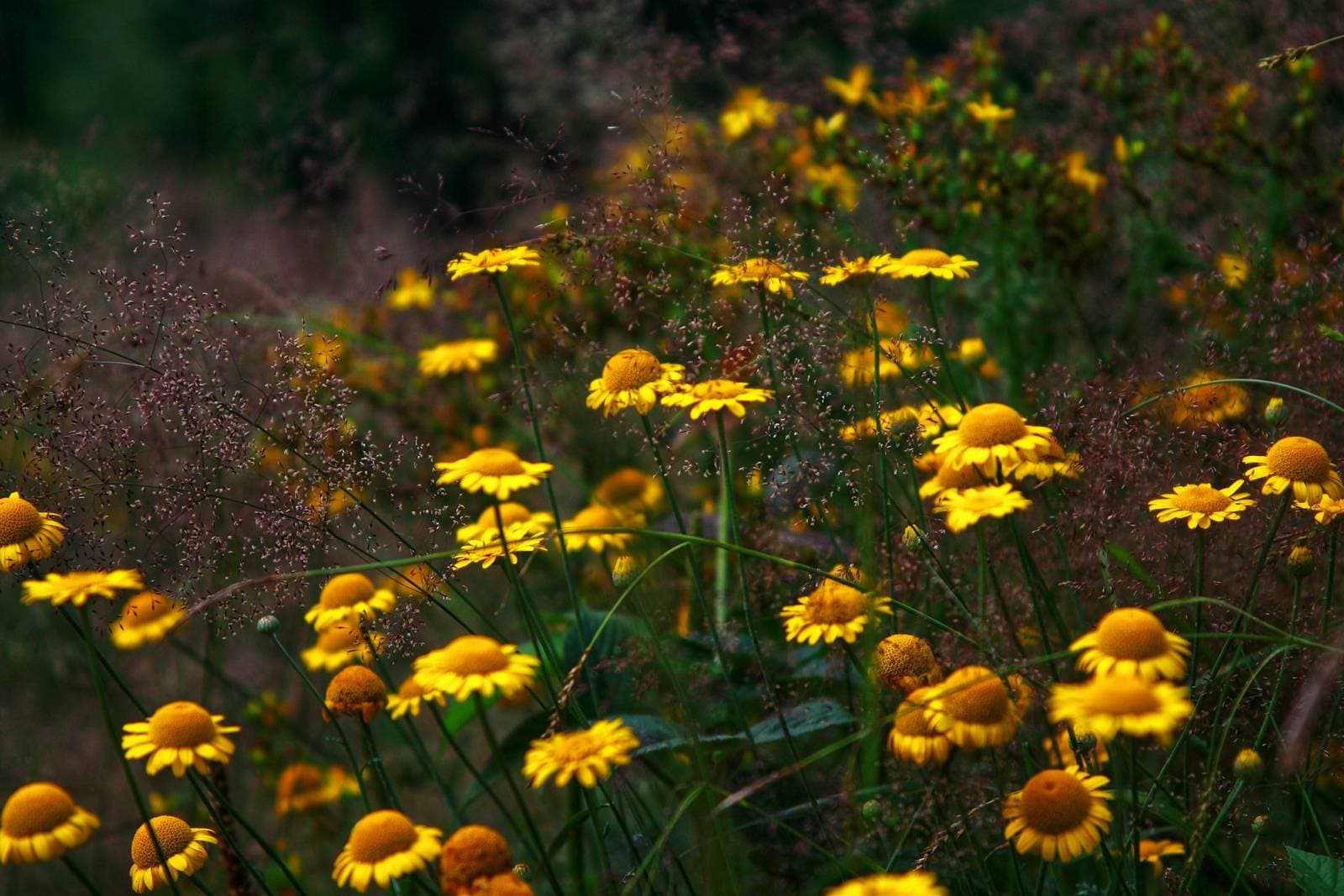
Where landscapes show nature at a distance, botanical art brings it to arm’s length: a single fern, a plate of pressed specimens, a wildflower meadow rendered stem by stem. The family runs from scientific vintage plates — orderly, labeled, quietly graphic — to loose modern studies of leaves and grasses. Botanicals are the great peacemakers of wall art: they suit kitchens, bedrooms, bathrooms, and hallways, they pair with nearly every style from farmhouse to contemporary, and they group beautifully — a set of four or six plates in a grid is one of the most reliable arrangements in decorating. Wildflowers lean softer and more romantic; big tropical leaves lean bolder and more modern. Green, it turns out, goes with everything because it was never really competing. The dedicated guide to botanical wall art, from plates to leaf studies, covers framing and grouping those sets in detail.
Animals and wildlife: presence and personality
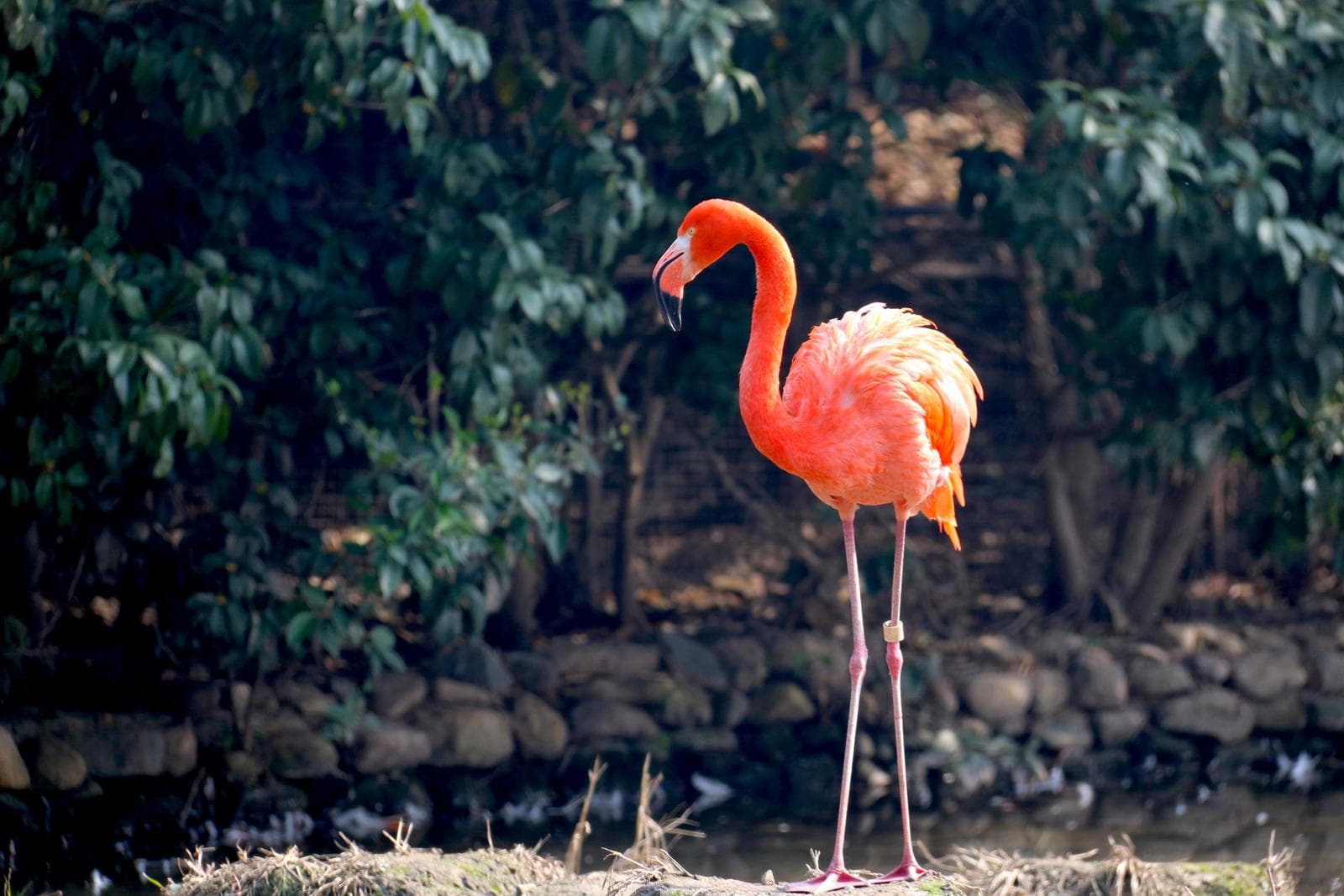
Animal art is portraiture, and portraits bring presence. A horse, a fox, a great horned owl at large scale does not decorate a wall so much as occupy it — which is exactly right in rooms that can carry a personality: living rooms, studies, kids’ rooms, hallways that need a moment in them. Within the family, birds lighten (flocks in flight, field-guide plates, the occasional peacock for rooms that want drama and jewel tones), marine life calms (turtles, whales, and coral in blue-greens, natural for bathrooms and bedrooms), and safari animals warm (savannah light, earthy palettes). One honest note: animal images reward quality and restraint. A single great portrait, given space, will always beat a menagerie squeezed onto one wall. The wider craft — portrait against in-the-wild, and the scale presence requires — is the subject of this series’ animal wall art guide.
Places: cities, maps, and personal geography
Some subjects work because they are beautiful; place subjects work because they are yours. Cityscapes bring energy and architecture — skylines for scale, street scenes for story — and they suit offices, living rooms, and anywhere a room wants a pulse. A skyline of a city you have lived in or loved does double duty, decoration and biography at once. Maps are the quiet overachievers of this family: vintage charts, city plans, and national park maps are graphic, detailed, and endlessly lookable, and they make the most personal gallery walls of all — a wall of the places that made you. National parks art belongs here too, sitting between landscape and keepsake: the poster from the park where you got engaged is not really about the canyon.
The quiet subjects: still life, food, and words
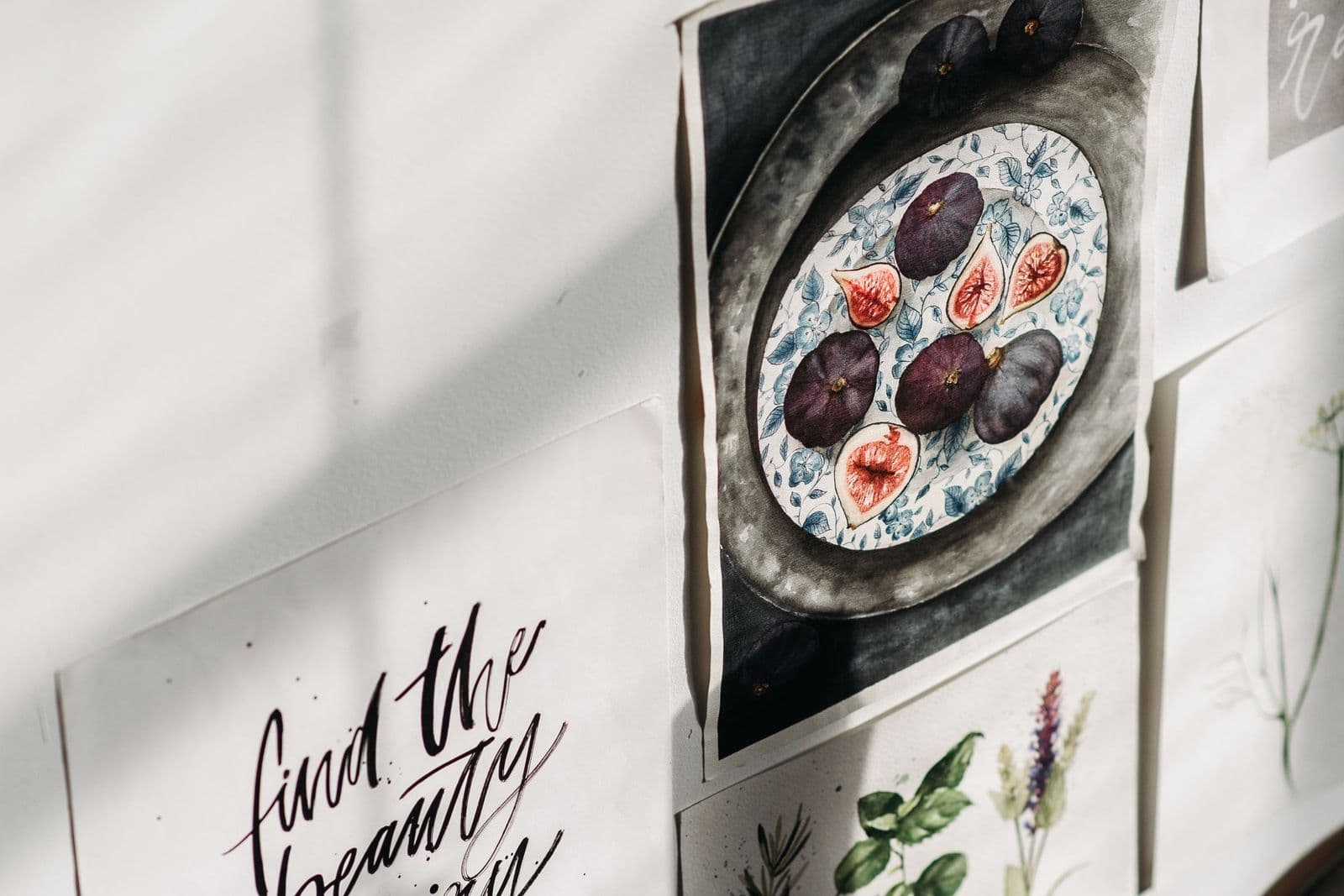
Still life — vessels, fruit, flowers arranged and observed — is the oldest subject in Western art and the most at home in dining rooms and kitchens, where its themes literally match the room’s work. Food and drink subjects, handled with taste (market scenes, vintage cafe posters, ingredient studies), bring warmth and appetite appeal to the rooms where people eat. Typography is the family people either love or skip: a single word, a line of verse, a beautiful specimen of lettering. Words on a wall are a commitment — you will read them ten thousand times — so choose text you would still be glad to see on a bad morning, and let typography carry small rooms, laundry rooms, and offices, where a touch of wit or resolve earns its keep.
Music: the subject that listens back
Music subjects — gig posters, instrument studies, sheet music treated as art — belong wherever the listening happens: beside the turntable, over the piano, in the room where someone practices. Their special property is that they are read twice: once as decoration and once as declaration. A vintage-style concert poster says something about taste that a landscape, however lovely, cannot. Style them like the vintage family they usually belong to — paper, honest frames, a little grouping — and keep them near the gear that matters. A listening room without music on its walls is a sentence missing its subject, in every sense.
Wall art subjects at scale: size changes the subject
One more variable, easy to miss: scale alters what a subject is. A single wildflower at 12 inches is a study; the same flower at 48 inches is a piece of architecture, graphic and almost abstract. A cityscape small is a souvenir; large, it is a window with traffic in it. Portraits — animal or human — obey the oldest rule of all: at life size they feel present, larger than life they feel monumental, and much smaller they feel like keepsakes. So choose subject and size together, not in sequence. When you find a candidate image, ask not only “do I like this subject” but “what does this subject become at the size my wall needs?” Some images have exactly one right size, and the discipline of this whole guide is finding it before the piece arrives.
Photography and sports: the real world, framed
Photography as a subject family means the camera’s images themselves — landscape, street, and documentary work chosen for the print, not the memory. Its crispness and truth suit modern rooms and formats with sheen. Sports subjects, by contrast, run on devotion: stadium photography, vintage event posters, the elegance of a rower or a racing sail. Styled with restraint — framed well, given real wall, mixed with furniture that takes it seriously — sports art grows up gracefully in dens, offices, and kids’ rooms, long past the poster-on-a-dorm-wall stage.
Matching wall art subjects to room and mood
A working map, room by room. Living rooms carry the widest range — landscapes, abstracts, animals, cityscapes — because the room itself does the most jobs. Bedrooms want calm: landscapes, botanicals, marine life, soft abstracts. Bathrooms reward coastal and marine subjects and anything that profits from blues and greens. Kitchens and dining rooms are still life’s home ground, with botanicals and food subjects as the supporting cast. Offices take maps, cityscapes, and photography — subjects with structure. Kids’ rooms are where animals belong most, at their height and in their honor.
Two rooms deserve a footnote. Entryways get one chance, at ten seconds long: a single strong subject — a landscape with depth, a striking animal, a beloved map — outperforms a careful arrangement, because nobody stands in a hallway long enough to read a subtle one. And dining rooms reward subjects that bear repetition at seated eye level for an hour at a time: still life, botanicals, and landscapes reward the long look, while high-energy subjects that delight in passing can tire across a long dinner.
One discipline across all of it: let one subject lead each room. A room can hold a landscape over the sofa and botanical prints on the side wall, because one clearly leads and the other supports. Two subjects of equal weight in one sightline make the eye negotiate, and negotiated rooms feel restless.
A simple way to choose
Do it in three passes. First, name the mood the room must hold — calm, energy, warmth, focus, welcome. Second, list the two or three subject families that reliably produce that mood from the sections above. Third, and only then, look at actual pieces, and notice which family you keep returning to; that pull is data, not indecision. When you are ready to look, browse the catalog of wall art subjects and let each family argue its case on your wall’s behalf. The right subject rarely announces itself as the prettiest picture. It announces itself as the one that makes the room feel like the room you meant.
More in Subject Guides

Continue exploring: Subject Guides guides · All guides