

Wildflower Wall Art: Meadows, No Maintenance
A wildflower picture feels found rather than arranged. Choose between a wide meadow and a single weathered stem, and pick the season your room will keep.
Key Takeaways
- Trust patchiness: honest meadow pictures keep the irregular rhythm of real fields, dense here and sparse there with grass always present, while an evenly all-over bloom reads as wallpaper.
- Give a meadow width and distance — hung wide above a sofa or along a dining wall it keeps its horizon and air, but cropped tight a field becomes mere texture.
- Use single stems where meadows cannot go: small walls, narrow halls and above a desk, grouped loosely in matching frames with relaxed spacing and heights allowed to vary like plants.
- Consider your own region's flowers — bluebonnets, poppies, lupine or black-eyed Susans — because a local meadow reads as home ground to local eyes and as homesickness relief to anyone who has moved away.
- Echo one flower only: repeat the picture's happiest colour once more in the room and let the other colours live only in the frame, since a full five-colour echo turns the wall into a theme.
A garden flower is cultivated; a wildflower is encountered. That is the whole difference, and it is why wildflower wall art feels like a memory rather than an arrangement — a verge on a walk, a meadow at the field’s edge, poppies in a wheat crop you were not supposed to be crossing. Wildflower pictures bring that found, unplanned quality indoors: color in drifts rather than patterns, beauty that was not composed for you. This guide covers the two scales of the subject — the meadow and the single stem — the seasonal colors it trades in, and the softer rooms it was made for.
Wildflowers sit inside the florals and botanical family, but at its informal end: where the botanical plate studies one plant like evidence, the wildflower picture celebrates plants in their crowds and their chances. If the plate is botany, the meadow is weather. The plate tradition itself — and the leaf studies that followed it — is covered in our guide to botanical wall art.
Wildflower wall art as meadow: color in drifts
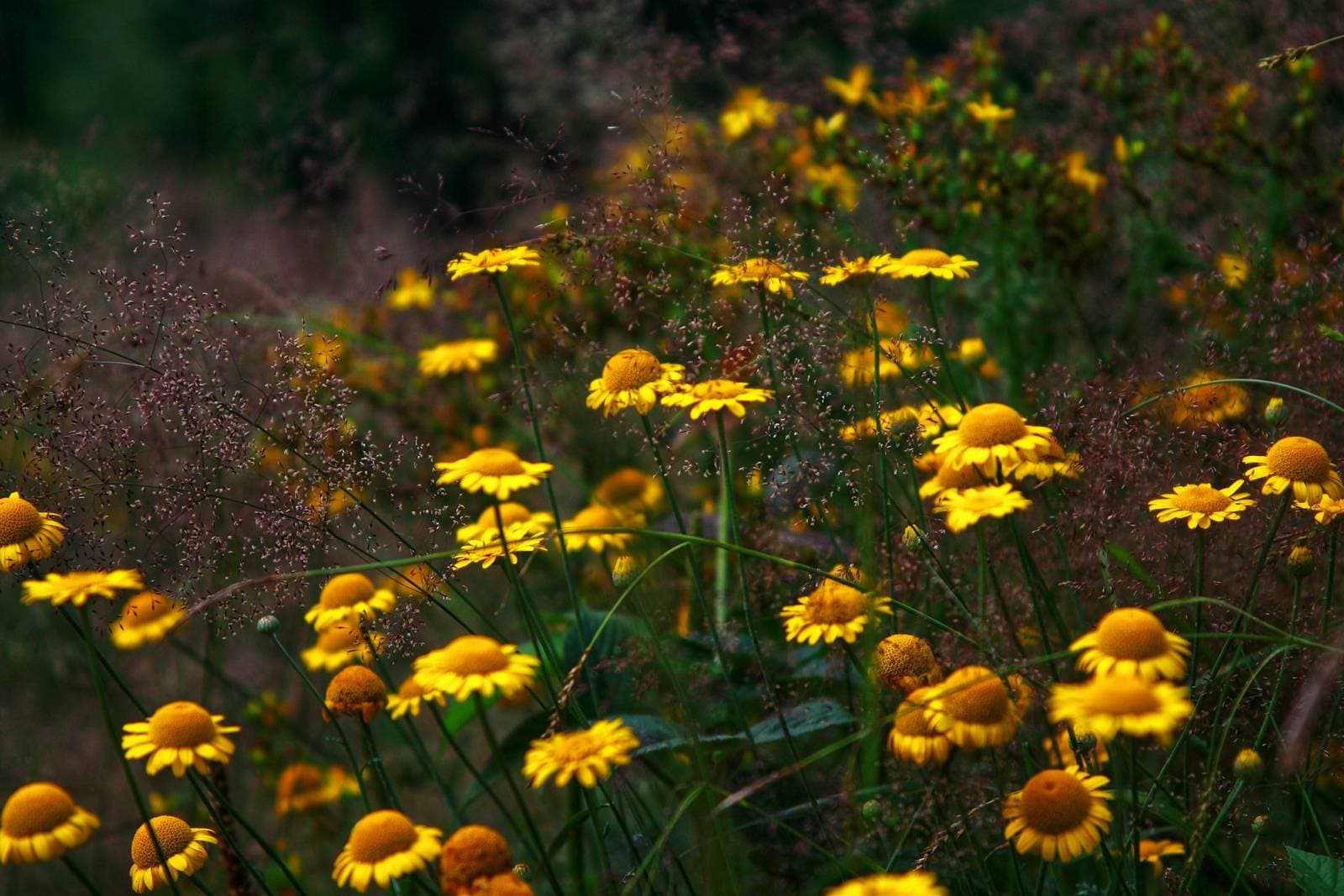
The classic wildflower image is the meadow scene: a field of mixed flowers running to a hedge or a hill, color laid in natural drifts — a river of blue through gold, poppy red pooling where the soil thins. Good meadow pictures obey the meadow’s own logic, which is patchiness. Wildflowers grow where their conditions are, not where a designer would space them, and the honest image keeps that irregular rhythm: dense here, sparse there, grass always present as the green matrix the color floats in. Beware the too-even meadow, every square inch in bloom at once — real fields never perform like bedding displays, and the eye can tell, even when it cannot say why the picture feels like wallpaper.
Meadows want width and a little distance. The subject is a field, and a field cropped tight becomes a texture; hung wide — above a sofa, along a dining wall — it keeps its horizon and its air. Photographed meadows read as place and season; painted and illustrated meadows read as mood, their color simplified into harmony. At large sizes, choose the interpretation that matches the room’s register: photograph for the modern room that wants a window, painting for the softer room that wants a reverie.
The single stem: a wildflower, up close
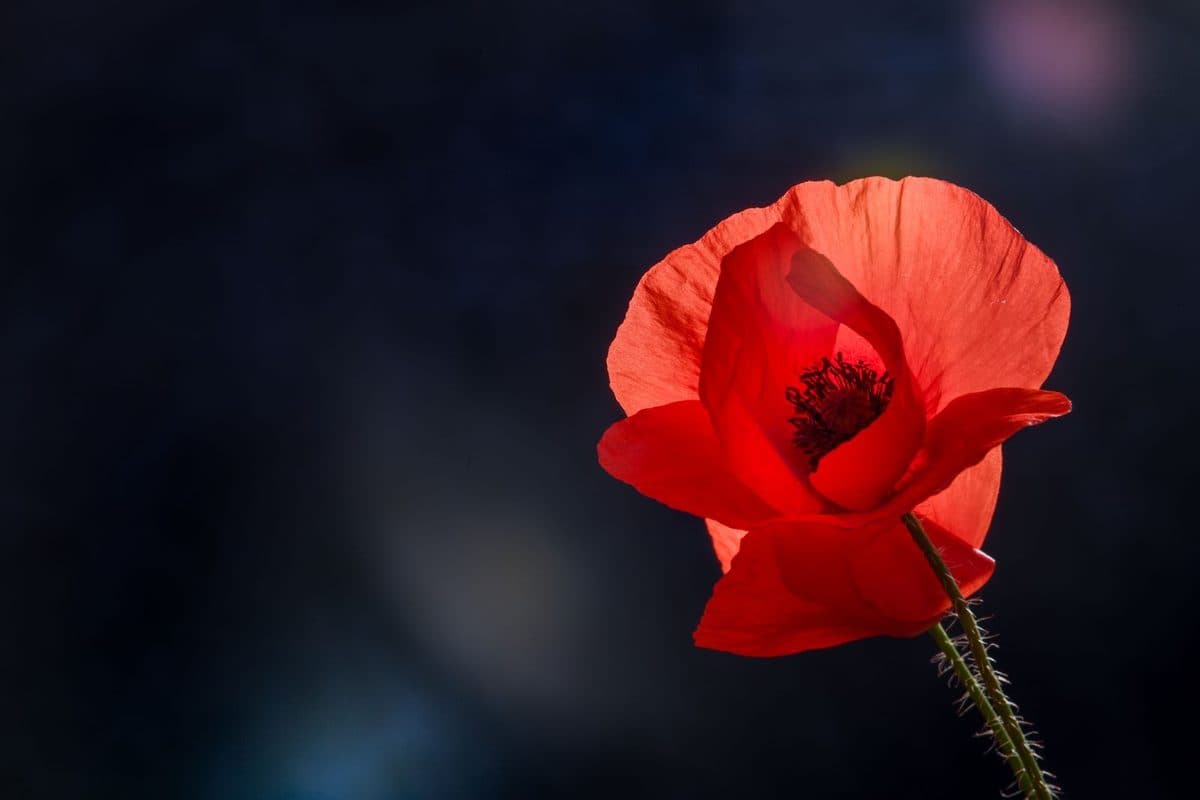
The other scale is the portrait: one stem — a poppy, a cornflower, a sprig of cow parsley — photographed or painted against a quiet ground. Single-stem wildflower studies borrow the botanical plate’s composition but refuse its formality: the stem leans, a petal is torn, a seed head has already formed beside the bloom. That imperfection is the point. Garden portraiture shows the cultivar at its peak; the wildflower study shows the plant in its life, mid-summer and slightly weathered, and it carries a tenderness the perfect bloom cannot.
Stems work where meadows cannot: small walls, narrow halls, the space beside a window or above a desk. They also group beautifully — three stems, three species, one ground color — in the loose, ungridded way the subject prefers: frames alike, spacing relaxed, heights allowed to vary like plants. A meadow reduced to stems is a herbarium with its hair down.
Close to home: the local meadow
Unlike garden flowers, which are the same cultivars from Maine to Oregon, wildflowers are regional — every part of the country keeps its own cast. The bluebonnet fields of Texas, the poppy reserves of California, the lupine and paintbrush of mountain states, the black-eyed Susans and Queen Anne’s lace of eastern roadsides: a wildflower picture can be a portrait of home ground in a way no other subject quite matches. That locality is a choosing tool. A meadow of your own region’s flowers reads to local eyes as theirs — guests recognize it before they can name it — and to anyone who has moved away, it is the cheapest form of homesickness relief ever framed. Even without a regional match, prefer pictures whose flora could plausibly grow together; the eye may not know botany, but it knows when a desert flower is standing in a water meadow.
Pressed and printed: the flat wildflower
There is a third tradition beside the meadow scene and the stem portrait: the pressed flower. Victorians pressed specimens into albums; Japanese artists raised pressing into oshibana, pictures composed entirely of pressed plant material. Modern prints borrow the aesthetic — a wildflower flattened against paper-white or linen, every petal spread for inspection, color slightly muted as pressing mutes it. Pressed-style art is the quietest form of this subject: almost no depth, no scene, just the plant and its shadow of a stem. It suits the rooms the meadow would shout in — the small bathroom, the narrow entry, the calm side of a bedroom — and it groups in fours and sixes like pages from an album. If the meadow is the walk and the stem is the encounter, the pressed print is the keepsake: the flower you carried home in a book.
Seasons of color
Wildflower color is seasonal color, and the season is the palette. Spring runs pale and fresh — white, blush, the first yellows — against the year’s youngest green; spring pictures are the lightest art in this subject and suit rooms that need waking. High summer is the saturated peak: blues, purples, and golds at full strength, the meadow as festival, best in rooms whose furniture can hold a strong color conversation. Late summer turns amber and rust as the grasses take over from the flowers, and its pictures are the warmest and most nostalgic — the meadow remembered rather than visited. Choosing a wildflower picture is, in part, choosing which month of the year the room will keep. There is no rule against December keeping June; plenty of people hang a high-summer meadow precisely as a stored season, to be opened in the dark months. Hanging spring’s palette is part of a larger seasonal habit covered in refreshing your walls for spring, where light subjects take over from winter’s heavier ones.
The rooms wildflower wall art softens
Wildflowers are the great softeners of the subject world. Their natural rooms are the ones trending hard or plain: a white, new-build kitchen warmed by a bright meadow over the table; a bedroom in greys given one drift of color to dream against; a child’s room that has outgrown cartoons but not yet earned landscapes. The subject’s affinity with cottagecore is real — meadows are that style’s home landscape — but wildflowers also do quiet rescue work in bohemian rooms (more nature for the collection), farmhouse rooms (the field outside, admitted), and Scandinavian rooms, where a single pale stem against white is practically the national art form. What wildflowers will not do is formality: they wilt in a room of sharp edges and dark gloss, and that refusal is part of their honesty. For where wildflowers sit among the other subject families, see choosing what your walls say, this series’ subject overview.
Echoing the meadow indoors
The color in wildflower wall art is multiple by nature — five species, five hues — which makes it the easiest art in the world to coordinate and the easiest to over-coordinate. The meadow rule: echo one flower. Pick the picture’s happiest color and let it appear once more in the room — a cushion, a kettle, a painted chair — and let the other colors live only in the frame. The single echo tells the eye the art belongs here; a full five-color echo turns the wall into a theme. Greenery is the exception that always helps: a real plant beneath a meadow picture, or a vase of whatever is actually blooming outside, ties the pictured field to the living one with no color discipline required at all.
Care with scale and company, then choose freely. A meadow should not compete with a busy rug or a patterned sofa — give it quiet neighbors and let the drift do the pattern for the whole wall. A stem wants a plain ground in the room as it has in the picture: an uncluttered stretch of wall, a single frame, air around it. Either way, the subject delivers its one promise reliably — the feeling of having come across something growing, unowned and unbothered, and of having brought the walk home with you. No watering, no weeds, and the meadow never needs mowing.
More in Subject Guides



Continue exploring: Subject Guides guides · All guides