

Rustic Wall Art: Wood, Weather, and Warmth
For a home that feels assembled from a catalog, weathered wood, working countryside, and sun-faded color are the fastest honest way to make it feel accumulated.
Key Takeaways
- Let the grain show: an image printed on wood stops behaving like a window and starts behaving like a piece of the place — paler panels for landscapes, darker, rougher ones for wildlife and dusk.
- Stick to the working countryside — barns, fence lines, dirt roads, and wildlife shown with presence in its landscape, plus one local hand-lettered sign rather than generic welcomes.
- Judge every addition by whether it looks like it spent a season outside; the palette runs barn red gone brick, wheat, leather, sage, and weathered grey, with nothing at full gleam.
- Pick one region and keep faith with it — mountain, desert, and coastal rustic share a grammar but tell different stories, and mixing them on one wall feels off.
- Keep modern furniture honestly modern and rustic pieces honestly rustic, repeating one material across the divide, instead of distressing either side to match the other.
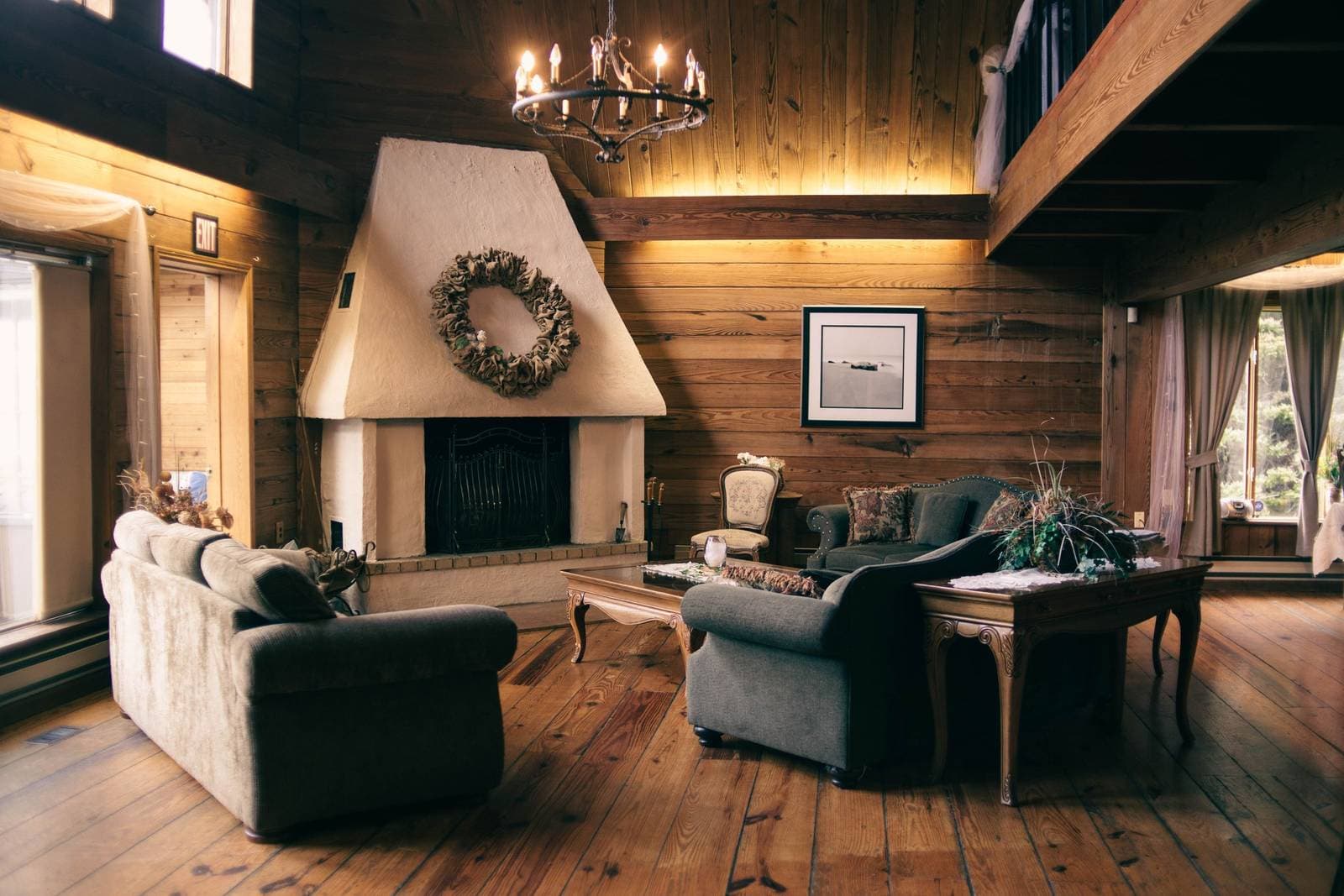
Rustic is the style of things that have been somewhere. Rustic wall art trades polish for evidence — of weather, of work, of wood that was a tree and then a barn before it was a frame. Its images run to barns and back roads, wildlife and wide land, lettering that looks hand-cut because it is imitating things that were. Hung in the right room, it does something no sleeker style can: it lowers the temperature of newness. A house full of fresh drywall and flat-pack furniture can feel assembled rather than lived in, and a wall of rustic art is often the fastest honest cure.
Material first: why wood changes the picture
Every style has a signature surface, and rustic’s is wood. An image printed directly on a wood panel stops behaving like a picture of a landscape and starts behaving like a piece of the place — the grain runs through the sky, knots interrupt a field, and the image and its material argue pleasantly about which one you are looking at. That is the whole appeal of wood prints for rural subjects: the photograph brings the scene, the panel brings the texture, and neither is pretending to be a window. Paler woods keep an image bright and suit landscapes; darker, rougher panels deepen wildlife portraits and anything with dusk in it. The rule is to let the grain show. A rustic print sealed behind glossy perfection has kept the subject and lost the style. How the grain becomes part of the picture, and how to choose a panel by it, is taken up in full in the guide to wood prints.
The same material logic extends to framing when the image is on paper or canvas: reclaimed-look frames, rough-sawn profiles, and finishes that show their making. Rustic is the one style where a frame’s imperfections are not flaws to inspect for but character to select for — within reason. There is a line between weathered and damaged, and the style lives deliberately on the near side of it.
The subjects of rustic wall art: barns, wildlife, and work
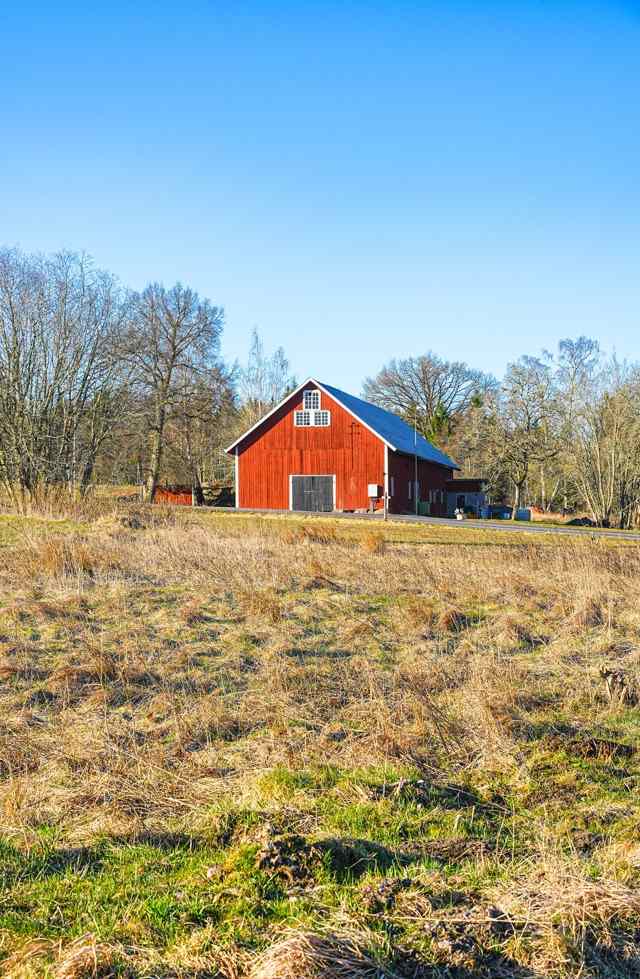
The rustic canon is the working countryside. Barns and farm buildings lead it — red barns in snow, grey barns in wheat, the geometry of silos against big skies — images that carry architecture and landscape in one subject. Landscapes with evidence of use follow: fence lines, dirt roads, hay fields, rivers with a dock. Pure wilderness belongs to other styles; rustic land always has a gate in it somewhere, a sign that people live by this view rather than merely visiting it.
Wildlife is the third pillar, and the wider world of animal and wildlife art narrows here to a particular register: deer, bears, buffalo, horses, and birds rendered with presence rather than cuteness — portraits, tracks, antlers against weather. The rustic treatment favors the animal in its working landscape over the studio close-up. And handmade lettering — the welcome sign, the family-name board, the short saying cut or painted like a feed-store notice — supplies the style’s voice: plain words, plainly lettered, meant to be read once and lived with.
The palette: warmth with the saturation turned down
Rustic color is sun-faded color. Its home range runs from barn red gone brick, through wheat, saddle leather, sage, and denim, down to the greys of weathered board and galvanized metal. Nothing in it is quite at full strength, because nothing outdoors stays at full strength, and that shared weathering is what lets a rustic wall combine a photograph, a sign, and a print without any of them shouting. When you add to a rustic arrangement, judge each candidate by whether it looks like it has spent a season outside. If it gleams, it belongs to another room.
Rustic wall art beyond the farm
The farm is the style’s homeland, but rustic is really the dialect of any place where life is lived close to materials, and each region speaks it differently. Mountain rustic runs darker and heavier — evergreen, stone, antler, and firelight tones, wildlife portraits of moose and bear, landscapes with weather coming in. Desert rustic trades the barn for the canyon: terracotta, bone, turquoise used sparingly, long horizons and spare vegetation, lettering that would suit a trading post. Coastal rustic is the lightest register — driftwood grey, faded rope and sail canvas colors, working boats and lighthouses rather than beach leisure. The registers share the grammar (weathered material, working subjects, faded color) while the vocabulary stays local, which is why a rustic wall should usually pick its region and keep faith with it. A moose and a lighthouse can both be rustic; on one wall, they are two different stories told in the same accent, and the room will feel it.
Signs and lettering also localize. The hand-painted board belongs to all three regions but says regional things — a lake name, a ranch brand, a harbor — and a single local sign does more for a rustic wall’s believability than any amount of generic welcome. The countryside the art describes should feel like a countryside, not countryside in general.
Not vintage, not farmhouse — the boundaries
Rustic gets confused with both of its neighbors, and the distinctions are practical. Vintage is about age and origin: a vintage poster is an artifact of a past decade, wherever it hangs. Rustic is about material and subject: a photograph taken last autumn of an old barn is rustic the day it is printed, and a shiny chrome advertisement from 1955 is vintage without a splinter of rustic in it. Modern farmhouse, the other neighbor, takes rustic’s subjects and edits them — cleaner palettes, rougher edges removed, restraint applied. Rustic keeps the edges. If the farmhouse version is the barn after a renovation program, rustic is the barn as found, loved as found.
Making peace with modern furniture
Few rustic walls hang in actual farmhouses, which raises the practical question: how does weathered art live with the clean-lined furniture most homes actually contain? Better than either style’s purists expect — because the contrast is the same one rustic rooms have always used, between the made and the found. A rough wood print above a plain modern sofa works for the reason a worn leather chair works in a new room: each makes the other look more deliberate. The failures come from halfway measures — furniture distressed to match the art, or art varnished to match the furniture — which leave both sides looking like costumes. Keep the modern pieces honestly modern and the rustic pieces honestly rustic, repeat one material across the divide (the frame’s wood echoing a table, the print’s iron-black echoing a lamp), and the room reads as a life being lived at one address, not two showrooms in a dispute.
Where it warms a room
Hang rustic art where a room leans too white, too new, or too urban for its owner’s comfort: the entryway that needs to say people live here, the living room whose furniture arrived all in one year, the den and the hallway and the cabin, obviously — but also the city apartment, where a wall of weathered wood and open land is not nostalgia but counterweight. It pairs naturally with leather, wool, iron, and unpolished wood already in the room, and it forgives — more than any other style — being mixed with the genuinely old objects a family already owns. The working rooms deserve a mention too: mudrooms, porches, and laundry rooms are where rustic art is least decorative and most at home, among boots and baskets, and a single weathered print in a bathroom — a lake at dawn, a stand of pines — can give the smallest room in the house the largest view. Rustic is rarely the wrong answer anywhere people actually live in their rooms rather than present them. Choose rustic wall art when a home feels assembled from a catalog and you want it to feel accumulated instead. It is the style of secondhand, handmade, and handed-down, and it makes new rooms feel like they have a history — because now, on the wall, they do. Rustic is one of the sixteen styles mapped in the field guide to wall art styles, in the warm family it belongs to.
More in Style Guides

Continue exploring: Style Guides guides · All guides