

Wood Prints: When Grain Joins the Picture
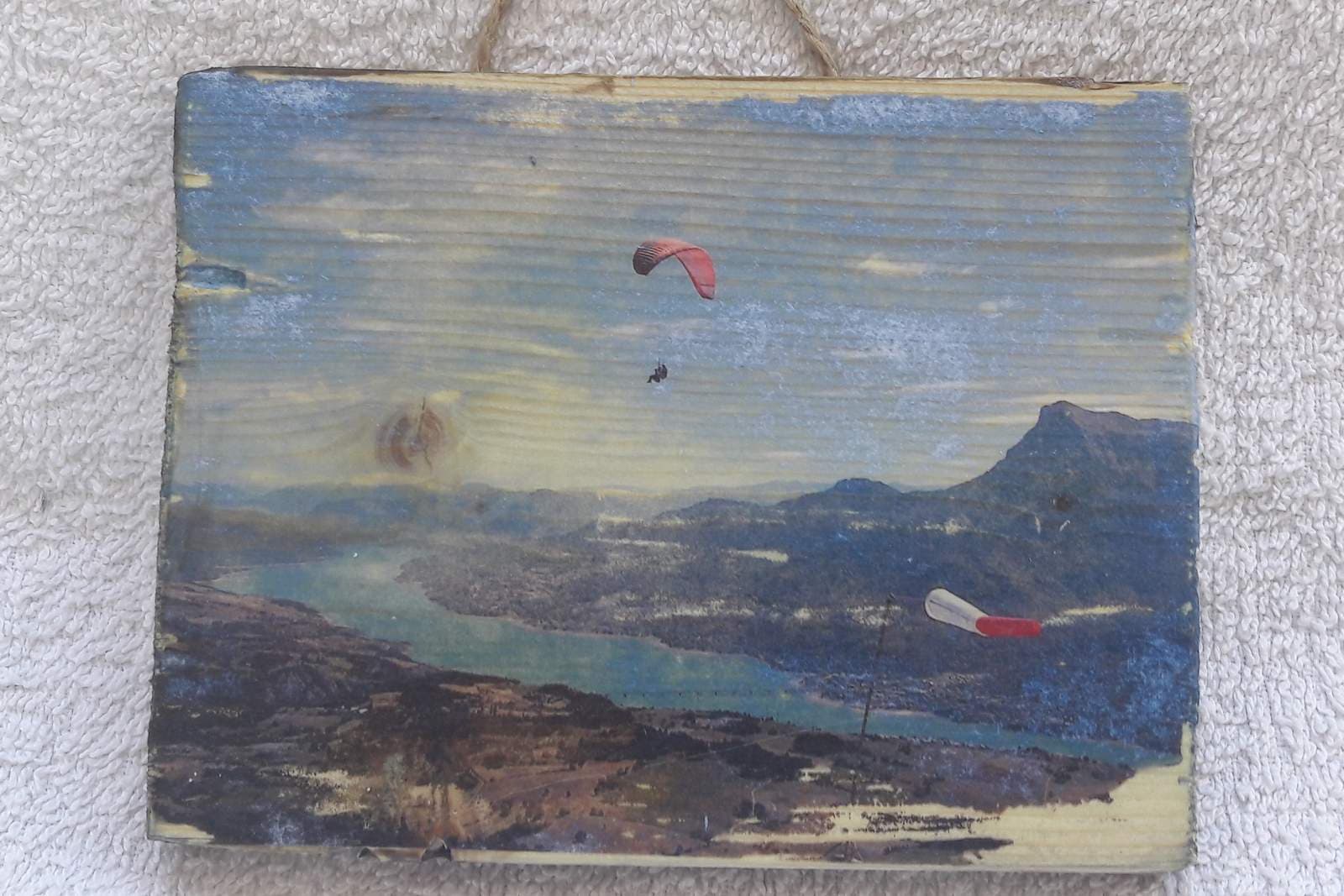
Here the picture does not hide its surface at all — pale areas let the timber show through, so every panel comes out slightly one of a kind.
Key Takeaways
- On wood, little or no white base is laid under the inks, so where the picture is white or pale you are seeing the panel itself — the grain is not printed, it is the wood showing through wherever the picture lets it.
- That makes grain a collaborator: landscapes, coastal scenes, wildlife, and earthy, forgiving images print beautifully, while portraits, crisp architecture, color-critical work, and dense text fight the grain and the warm cast it adds.
- Go bigger, not smaller: grain stays at nature's scale whatever the print size, so on a small piece it can overwhelm the image, while on a large landscape it settles into the background.
- Wood is the heavyweight format — several times the weight of canvas at the same size — so hang larger panels as a two-person job, on fixings rated well beyond the weight, into studs or proper anchors.
- Check you are buying the real thing: direct printing onto actual wood, not a fiberboard panel wrapped in a printed wood-grain design — vague phrases like wood-effect finish are the tell of an imitation.
Wood prints are exactly what the name says: a photograph or artwork printed directly onto a panel of wood, with no paper, canvas, or glass between the image and the timber. The wood is not a frame added afterward and not a decorative border — it is the printing surface itself, and its color and grain sit inside the picture. The wood format is the most literal of the print formats: every other surface tries to disappear under the image, while this one insists on being seen; at the other extreme, metal prints seal the image inside a polymer coating, so what you see is surface, not substrate. Whether that is a virtue depends entirely on the image you choose and the room it hangs in.
How wood prints are made
Most wood prints are produced by direct printing: the panel — usually birch plywood or a similar pale, fine-grained timber — is sanded smooth, and the image is printed straight onto its face with UV-cured inks that harden under ultraviolet light. The detail that defines the format comes next. On paper or canvas — the soft formats in our comparison of all seven formats — a white base sits under the inks, so the whites in a picture print as white. On wood, printers typically lay down little or no white under the image. Where the picture is white or pale, almost no ink lands — and what you see there is the wood itself. The grain you admire in a wood print is not printed. It is the panel, showing through the picture wherever the picture lets it.
The grain becomes part of the picture
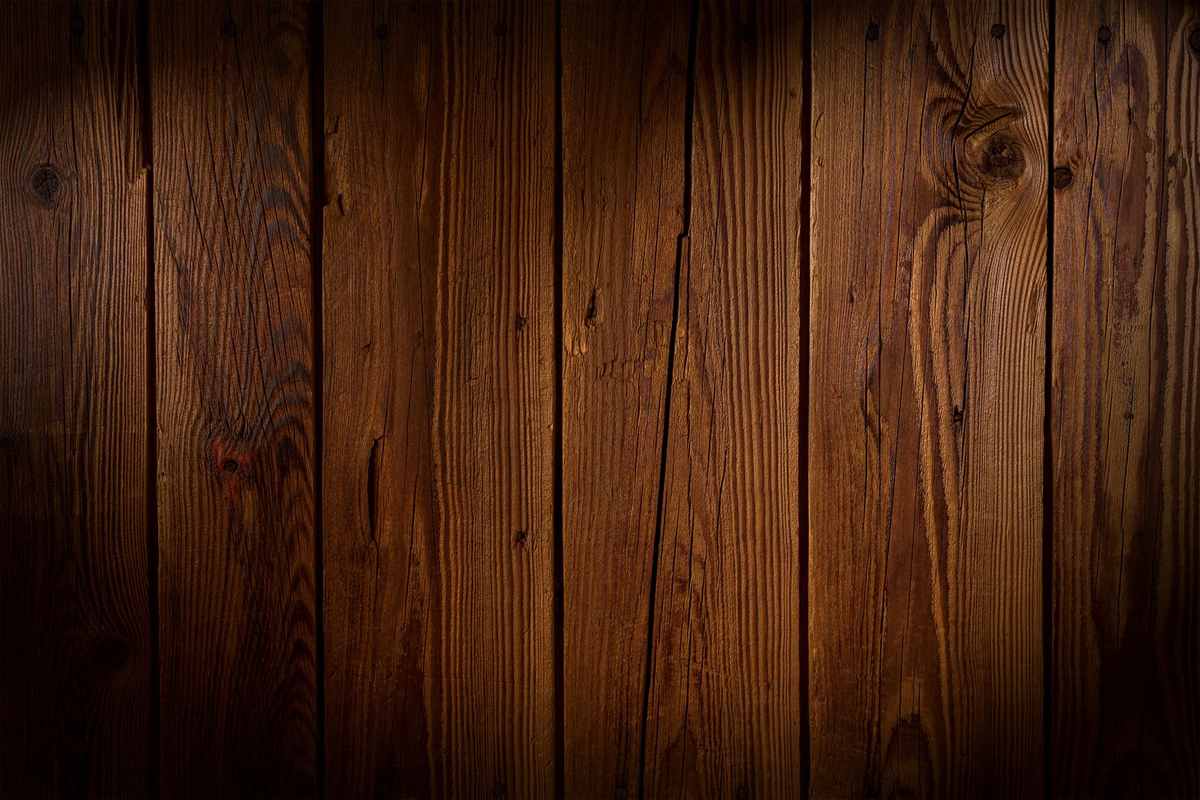
This has consequences a buyer should understand before choosing an image. Light and mid-tone areas — skies, water, sand, pale walls — pick up the wood’s warm tone and its grain lines, so a cool blue sky may print warmer than it looked on a screen. Dark areas take enough ink to cover the grain almost completely, which means the timber shows most in exactly the parts of the image with the least ink on them. Fine detail softens slightly, because the pattern of the grain competes with the finest lines. And because grain is a natural pattern, no two panels match: the same image printed twice gives two similar but visibly different pieces. For some buyers that uniqueness is the entire appeal. For anyone who needs a print to match a proof precisely, it is a warning.
Which subjects suit wood
Images that treat the grain as a collaborator print beautifully. Landscapes lead the list — mountains, forests, fields, and shorelines all gain warmth from the timber showing through their skies, and a slightly softened level of detail reads as atmosphere rather than loss. Rustic wall art and vintage-styled images sit naturally on wood, as do coastal scenes, wildlife, and anything with an earthy palette. The subjects that struggle are the ones that need precision: portraits, because grain lines crossing a face read as marks on skin and the warm cast shifts skin tones; crisp architectural photography, whose fine straight lines fight the grain; saturated, color-critical work, where the panel’s own tint bends the palette; and dense text, which loses its edge. A useful test: if the image would still work as a slightly warm, slightly soft version of itself, it will work on wood.
One more variable hides in the size. Wood grain is printed at nature’s scale, not the image’s: the grain lines on a panel are the width they grew, whatever size print lands on them. On a large panel that is a virtue — the grain settles into the background of a big landscape. On a small print, the same grain occupies proportionally more of the picture, and a modest image can end up looking like a photograph of wood with a scene faintly behind it. The practical rule runs opposite to most decorating instincts: wood prints reward going bigger, and the smallest sizes are where the format is hardest to love. If a small piece is what the wall needs, choose a bold, simple image whose shapes survive a strong grain running through them.
Panels, planks, and knots
Panels come in two broad constructions. A single sheet of plywood — birch is common for its pale color and fine grain — gives a calm, consistent background with the grain running one way. Plank constructions join several boards, and the seams and contrasting grain between boards become part of the effect: more character, less predictability. Thickness varies; a thicker panel reads as a more substantial object and resists warping better. Knots, mineral streaks, and grain swirls land where they land. On a plywood panel they are usually mild; on planks they can be dramatic, and a knot in the middle of a pale sky is either rustic charm or a defect, depending on the eye of the beholder. It is worth asking how a maker selects panels, because the honest answer shapes what arrives at your door.
Weight and hanging
Wood is the heavyweight of the common formats. A wood panel weighs several times what a stretched canvas of the same size weighs, and a large panel is a genuinely heavy object to lift, level, and fix. Treat hanging as a two-person job at larger sizes, use fixings rated well beyond the panel’s weight, and fix into studs or proper wall anchors rather than a single nail in drywall. Many panels hang from a keyhole slot or a routed recess in the back, which holds the piece flat and flush — a good look — but leaves no wire to forgive a fixing that is a quarter-inch off level, so measure the slot’s position rather than guessing from the panel’s outer edges.
Care, and where wood belongs
Wood moves. It absorbs and releases moisture with the seasons, expanding and contracting slightly, and a wide panel in a room with swinging humidity can cup or bow over time. Keep wood prints in ordinary living spaces — living rooms, bedrooms, hallways — and think twice about steamy bathrooms or the wall directly above a radiator or stove, where heat and moisture cycle hardest. Dust with a dry or barely damp soft cloth; the printed face is ink on timber, not a sealed glossy surface, so skip spray cleaners and anything abrasive. Like every print format, wood fades under years of direct sun, and sunlight also dries and grays timber itself — a wall out of the sun’s daily path is kindest. Handled this way, a wood print ages the way wood does: slowly, and mostly gracefully.
Real wood, and things that imitate it
Not everything sold under the name is the same object. Alongside direct-printed timber panels, the market offers fiberboard panels wrapped in a printed wood-grain design and paper prints laminated onto board with a wood texture embossed over them. Those imitations have their uses — they are consistent, and every copy matches — but the grain on them is a picture of grain, repeated identically on every unit, and it does not show through the image the way real timber does; instead the image sits on top of a decoration. If the appeal of the format for you is the genuine, variable material — and for most buyers it is — check the product description for direct printing onto actual wood, and treat vague phrases like “wood-effect finish” as the tell that you are looking at an imitation.
Choosing wood prints on purpose
Wood prints are the right format when the surface should be part of the statement — when the room leans rustic, coastal, or cabin-warm, when the image is a landscape with forgiving detail, and when a one-of-one object appeals more than a perfect reproduction. It is the wrong format when the image must be exact. Buyers who understand that trade before ordering tend to love what arrives; buyers who expect paper-white skies on a timber panel are the ones who feel misled. The grain is not a flaw in the print. It is the print.
More in Formats & Materials
Continue exploring: Formats & Materials guides · All guides