

Rental-Friendly Wall Art: Keep Your Deposit
Start with the lease, not the art: what it permits decides whether peels, adhesive strips, a ledge or simply leaning a large piece is your route.
Key Takeaways
- Read your lease before hanging anything — some forbid nails, many allow small picture holes and plenty say nothing — and test any removable product on an inconspicuous patch first.
- For framed pieces on adhesive strips, stay well under the stated weight limit, use them only on suitable smooth surfaces such as painted drywall, and allow the full curing wait before hanging.
- Wall peels need smooth, clean, fully cured paint and can lift old or chalky paint on removal; keep the backing sheet so a peel can move to the next home.
- Lean heavy, deep-framed or awkward-wall pieces on a ledge, mantel, shelf or floor instead of forcing a stronger adhesive, and never rely on adhesive alone for art over a bed or crib.
- On move-out, pull adhesive tabs slowly straight down along the wall, fill small nail holes, and use dated move-in and move-out photos to settle deposit questions.
Renting does not have to mean living with bare walls — but it does mean decorating with the lease in mind. The deposit question is really a damage question: every method in this guide is judged by what the wall looks like on move-out day, and by whether the art survives the move to the next place. The good news is that the menu of genuinely rental-friendly wall art options is longer than it used to be.
Start by reading your own lease before you hang anything. Rules vary — some leases forbid nails entirely, many allow small picture holes, and plenty say nothing at all. What your lease permits decides which of the methods below are open to you, and ten minutes with the document beats any general advice, including ours; our frequently asked questions cover the formats we plan to sell, including removable wall peels made for renters.
Rental-friendly wall art formats that peel away
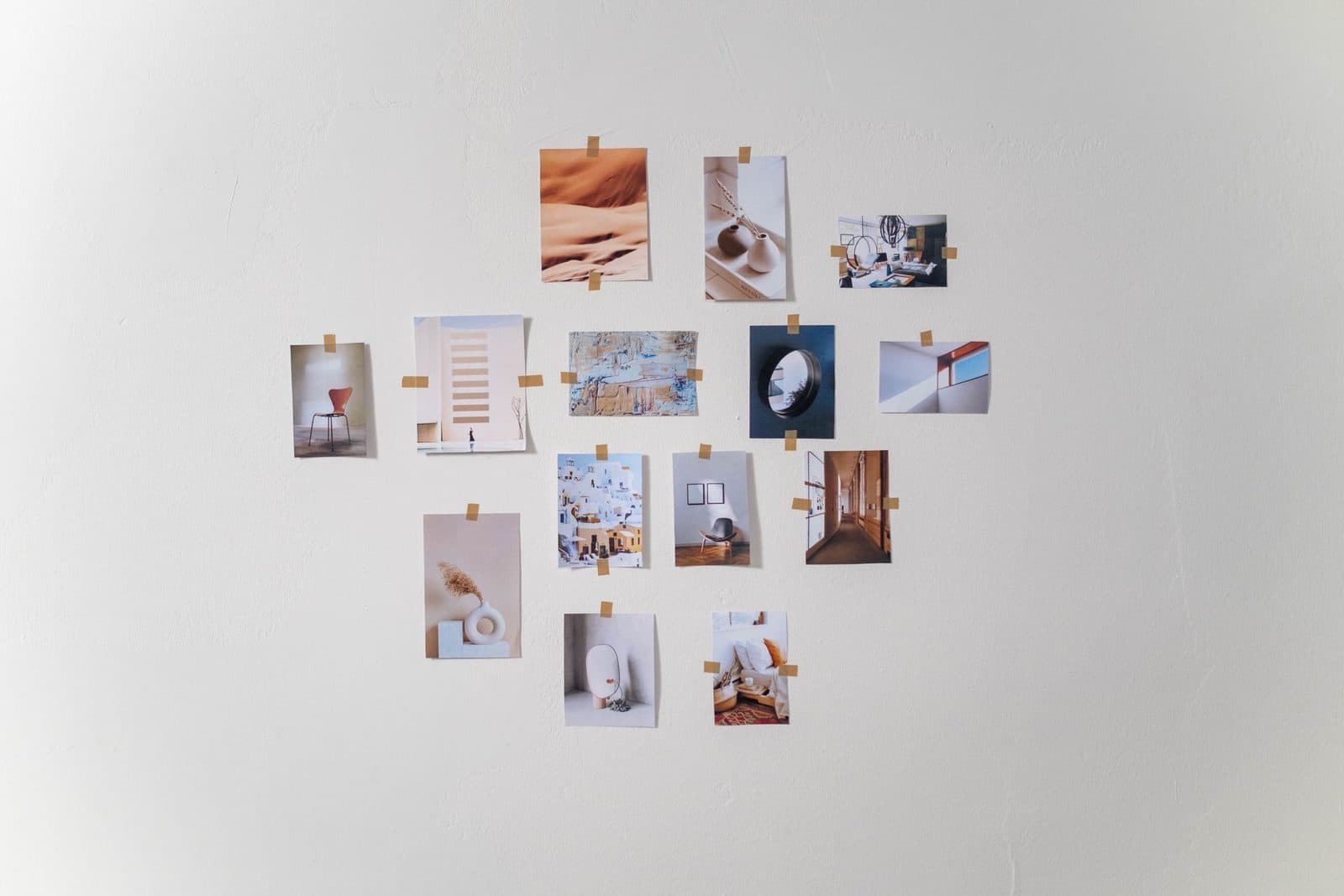
The cleanest rental solution is art that never touches a nail or a screw. Wall peels — printed vinyl that adheres to the wall itself and peels off when you leave — put a full-size image on the wall with no frame, no hardware, and nothing to patch. They suit renters better than any other format, and they change as easily as your taste does — wall peels for renters, kids, and changing minds covers where they work best.
Know their limits before you rely on them. Peels want smooth, clean, fully cured paint: freshly painted walls need their full curing time before anything adhesive goes on them, heavy texture gives the vinyl too little to grip, and very old or chalky paint can lift with the peel on removal. Test any removable product on an inconspicuous patch first — behind a door is the classic spot — and keep the backing sheet, because a peel stored on its backing between homes can move with you.
Damage-free hanging for framed pieces
For framed art and canvas, adhesive hanging systems are the renter’s workhorse: strips and hooks that bond to the wall and release with a pull-tab. They work well when three conditions are respected. First, weight honesty — every system states a weight limit for a given strip or hook size, and the piece, frame included, must come in under it with margin, not at it. Second, surface fit — adhesives are rated for painted drywall and similar smooth surfaces, and are unreliable on wallpaper, brick, and flaking paint. Third, patience — most systems ask for a curing wait before the piece’s full weight goes on, and skipping it is how good art ends up on the floor — a caution at the heart of hanging pictures without nails, by methods that hold.
Judge pieces by weight when you shop with adhesives in mind. Canvas is light for its size and stretches adhesive limits furthest; paper in a slim frame is next; acrylic, metal, and deep hardwood frames run heavy and may simply be tenants for the leaning method below.
Ledges, shelves, and the art of leaning
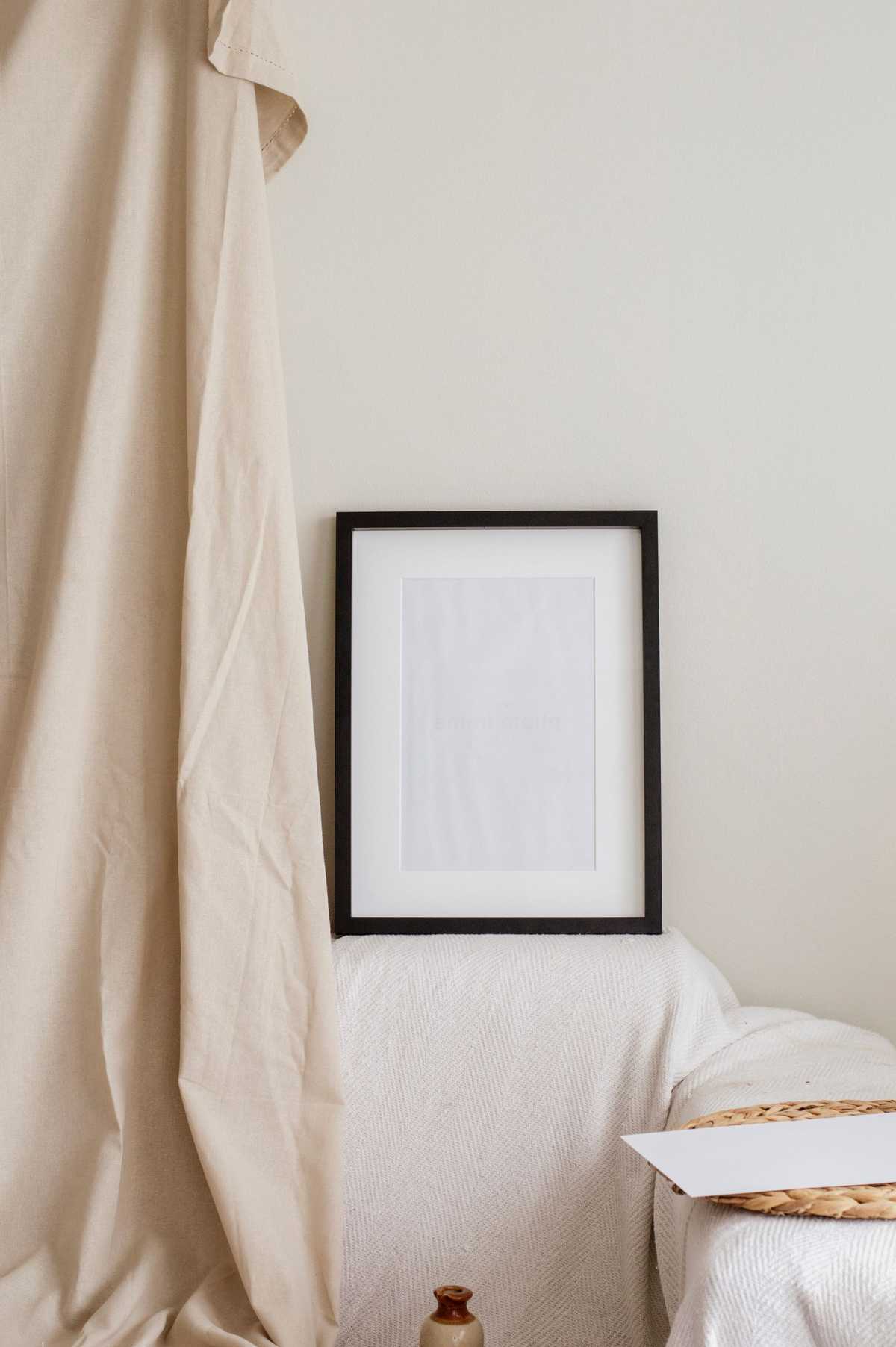
A picture ledge turns one hanging decision into a rotating display: pieces rest on the ledge, overlapping slightly, and swap in seconds with nothing new in the wall. The honest footnote is that a ledge itself usually mounts with two screws — but two screw holes, in one line, are among the easiest marks to fill invisibly at move-out, and the ledge can serve a dozen arrangements across a tenancy. Where even that is too much, use the furniture you already own: art leaned on a sideboard, a mantel, a bookshelf, or the floor against the wall needs no fixing at all. Large pieces lean with real presence — it is a gallery look, not a compromise — provided the base cannot slip and passing traffic cannot knock them.
The main wall of a rented living room is the natural stage for either approach; the living room wall art hub shows the room’s full range, and every sizing rule there applies unchanged — only the fixing method differs.
Asking first: the two-minute conversation
Between “no holes ever” and “hang freely” sits the option many renters never try: asking. A short, specific request — two screws for a ledge in the living room, say, with an offer to fill and repaint at move-out, put in writing — is easy for a landlord to approve precisely because it is specific and reversible. Vague requests get vague refusals. If permission is granted, keep it with the lease; if it is refused, you have lost nothing and the no-fixings methods above still cover nearly everything you would want to hang.
Heavy pieces and awkward walls
Some pieces and some walls simply decline the damage-free route, and honesty here saves deposits. Adhesive systems are not made for brick, stone, heavy texture, or wallpaper, and deep-framed or acrylic pieces can exceed sensible strip ratings at sizes that look ordinary. For those, leaning — on a ledge, a mantel, a sturdy shelf, or the floor — is the answer, not a stronger adhesive and a hope.
Older rentals add one more caution: plaster-and-lath walls and hollow doors punish fixings of every kind, and a picture hung over a bed or a crib should never depend on an adhesive bond alone, in any home, rented or owned. Where a piece must hang over where people sleep, use a mechanical fixing the lease permits, or choose a different wall. Art that moves with you through several homes is light art almost by definition — one more reason canvas and slim-framed paper are the renter’s natural formats.
Choosing rental-friendly wall art that travels well
Renters move, and art bought for one apartment’s walls has to earn its place in the next. The pieces that travel best share a profile: light enough to carry and re-hang without help, sized to the furniture rather than to one particular wall, and robust enough to survive being wrapped and stacked in a car. Canvas travels kindly — light, no glass to protect, tolerant of the odd knock. Framed paper travels worst unless it is glazed in acrylic and packed flat with care. None of this argues against buying the piece you love; it argues for loving pieces whose next home you can picture, because a renter’s collection is built across addresses, and small-apartment wall art with big impact shows how they earn their wall at modest scale.
When a piece no longer fits the new place, the ledge system and the leaning habit absorb it somewhere — a hallway, above a dresser — more gracefully than a wall drilled for exactly one arrangement ever allows. Flexibility is the renter’s real decorating style.
Moving out whole: patching and the last walk-through
If your lease allowed small nails, leaving costs a few minutes per hole: press in a small amount of filler, let it dry, sand flush, and touch up with the wall’s paint — landlords often leave the exact paint in the property, and a careful patch on a small hole disappears. Adhesive strips come off by pulling the tab slowly straight down along the wall, never out toward you, which is what tears paint. Take dated photos of your walls when you move in and when you leave; they settle deposit conversations before they start.
Take the same care with the art itself on the way out: peels go back on their backing sheets, canvas wraps corners in something soft, and framed pieces travel flat and separated. The collection that arrives undamaged is the one that hangs the same evening, and a new place that looks like yours by the first weekend is worth more than any single piece in it.
Rent with your next home in mind and rental-friendly wall art stops being a risk at all: light, removable, and ledge-friendly pieces move in a car, hang in an evening, and make the new place yours by the weekend. That is the real prize — not just the deposit back, but a home that looks like yours in every place you live.
More in Room Guides
Continue exploring: Room Guides guides · All guides