

Food Wall Art: Appetite, With Taste
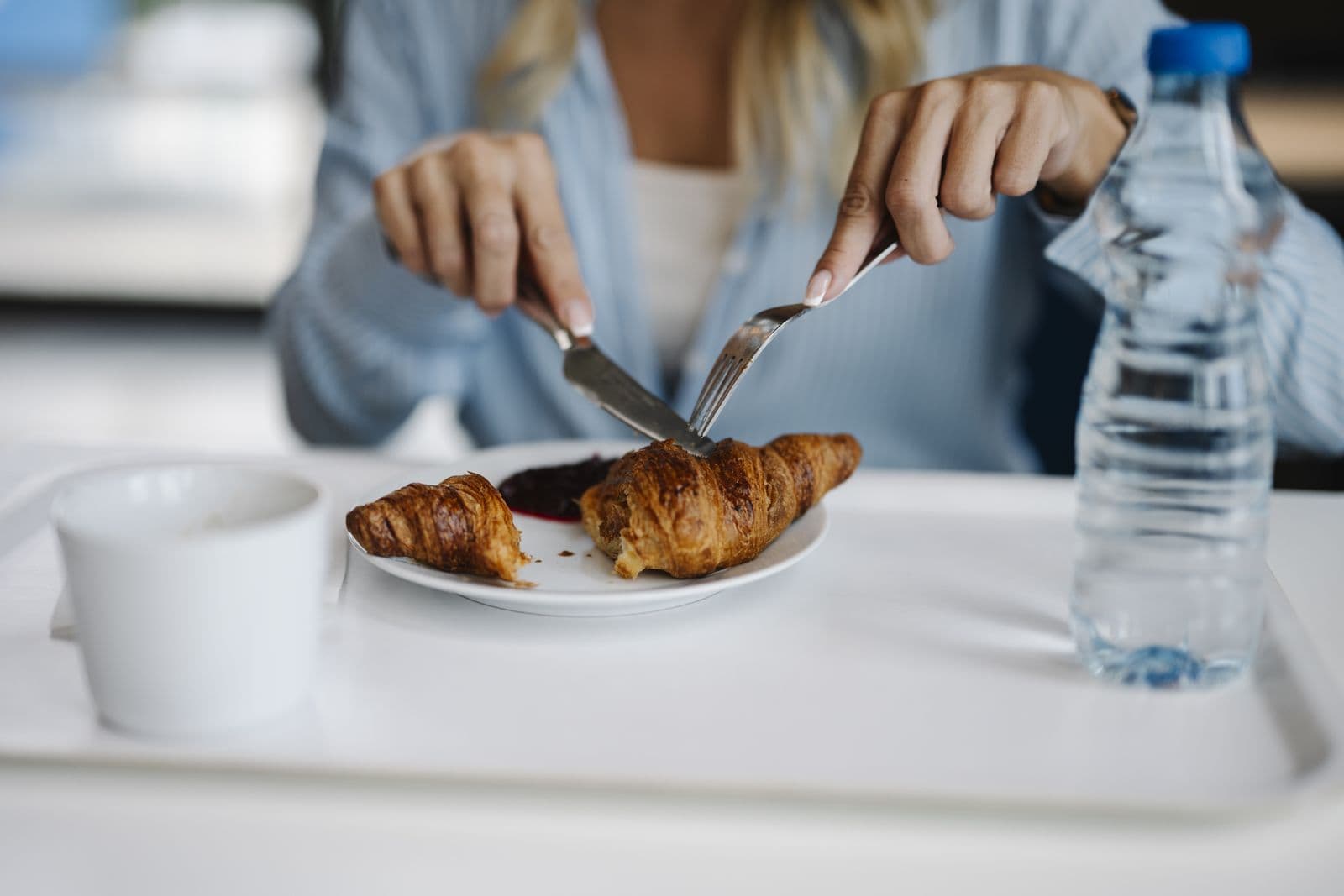
It stays tasteful when it honors where food comes from — a market, an ingredient, a ritual — rather than simply picturing what's on the plate.
Key Takeaways
- Honour source, craft, or ritual: market and harvest scenes, ingredient studies, and vintage cafe and grocery posters succeed, while generic product imagery reads as signage
- Dose appetite and humour like seasoning: one strong market scene or a pair of ingredient studies is enough, and limit witty food prints to one per room
- Place kitchen art where people gather and keep it out of steam and splatter: a few feet from stove and sink is the difference between art and a cleaning problem
- Use three checks before buying: visible craft in the image, specificity of place or ingredient, and a match to what your own household actually cooks and drinks
Food is the most social subject a wall can hold. It is what the room is for — the kitchen and dining room exist to feed people — and food wall art that honors the subject joins the household’s main activity instead of decorating around it. But food and drink wall art walks a line: done with taste, it is warmth, appetite, and a century of gorgeous poster craft; done carelessly, it is a diner menu blown up to poster size. This guide stays on the right side of that line, inside the food and drink subject: the traditions that keep the subject tasteful, and the rooms each one serves. Choosing the subject at all — how to choose what your walls say— is the prior decision, and it has a guide of its own in this series.
The traditions that keep food wall art tasteful
Market and harvest scenes are the elders: market stalls, laden tables, orchards, vineyards, and the working landscapes food comes from. They bring abundance without a single plated dish, and their colors — the reds, greens, and golds of produce — are the colors kitchens already love. Ingredient studies narrow the focus: a single artichoke, a braid of garlic, citrus cut to show its geometry, herbs in botanical precision. Treated as studies rather than clip art, single ingredients have the dignity of portraiture and the restraint modern rooms ask for.
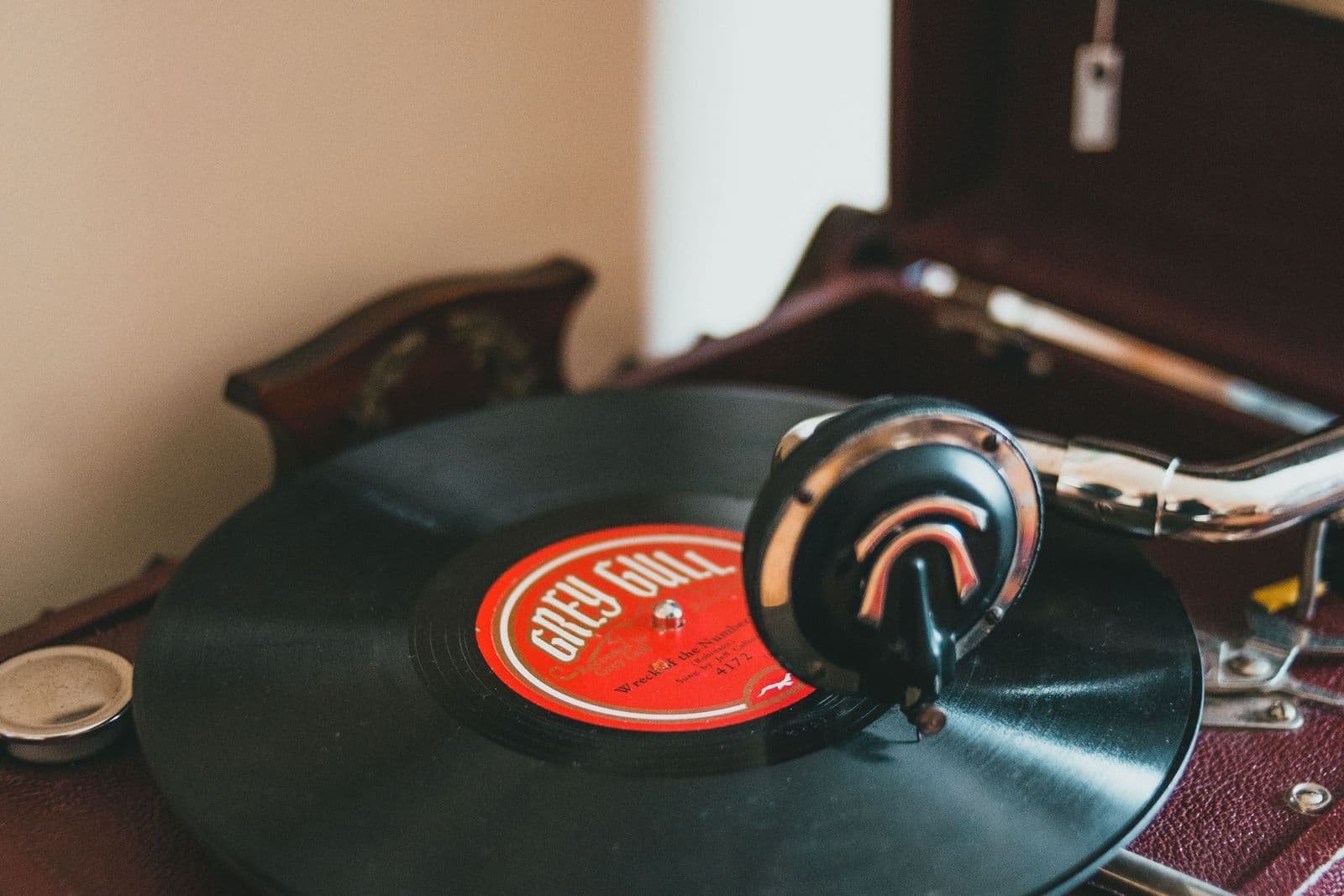
Vintage cafe and grocery posters are the subject’s graphic glory. The great advertising posters for coffee, wine, aperitifs, biscuits, and chocolate were drawn by serious artists working in bold flat color and hand lettering, and they bring appetite and design authority in equal measure. Drink, treated gently, completes the set: vineyard rows, distillery and brewery craft, coffee culture, tea ceremony — the places and rituals of drink rather than the glass alone. In every tradition the pattern is the same: food art succeeds by honoring the source, the craft, or the ritual, and fails only when it merely pictures the product.
Appetite is a design tool, not a joke
There is a reason dining cultures decorate with food imagery: pictures of abundance make a room feel generous, and generosity is the mood a host wants. Warm palettes — tomato, saffron, olive, cream — stimulate the same welcome that a set table does. The dosage is what taste controls. One strong market scene or a pair of ingredient studies seasons a room. A wall papered with competing food images shouts like an argument about dinner.
Humor needs the same dosage discipline. A witty food print — a punning label, a deadpan vegetable portrait — can be the best piece in the house, but wit is a spice: one piece per room, chosen because the household’s own humor recognizes itself in it. The test is the hundredth viewing, as with words on walls anywhere; food jokes stale faster than most, and a stale joke at poster size is hard to ignore.
The kitchen: working art for a working room
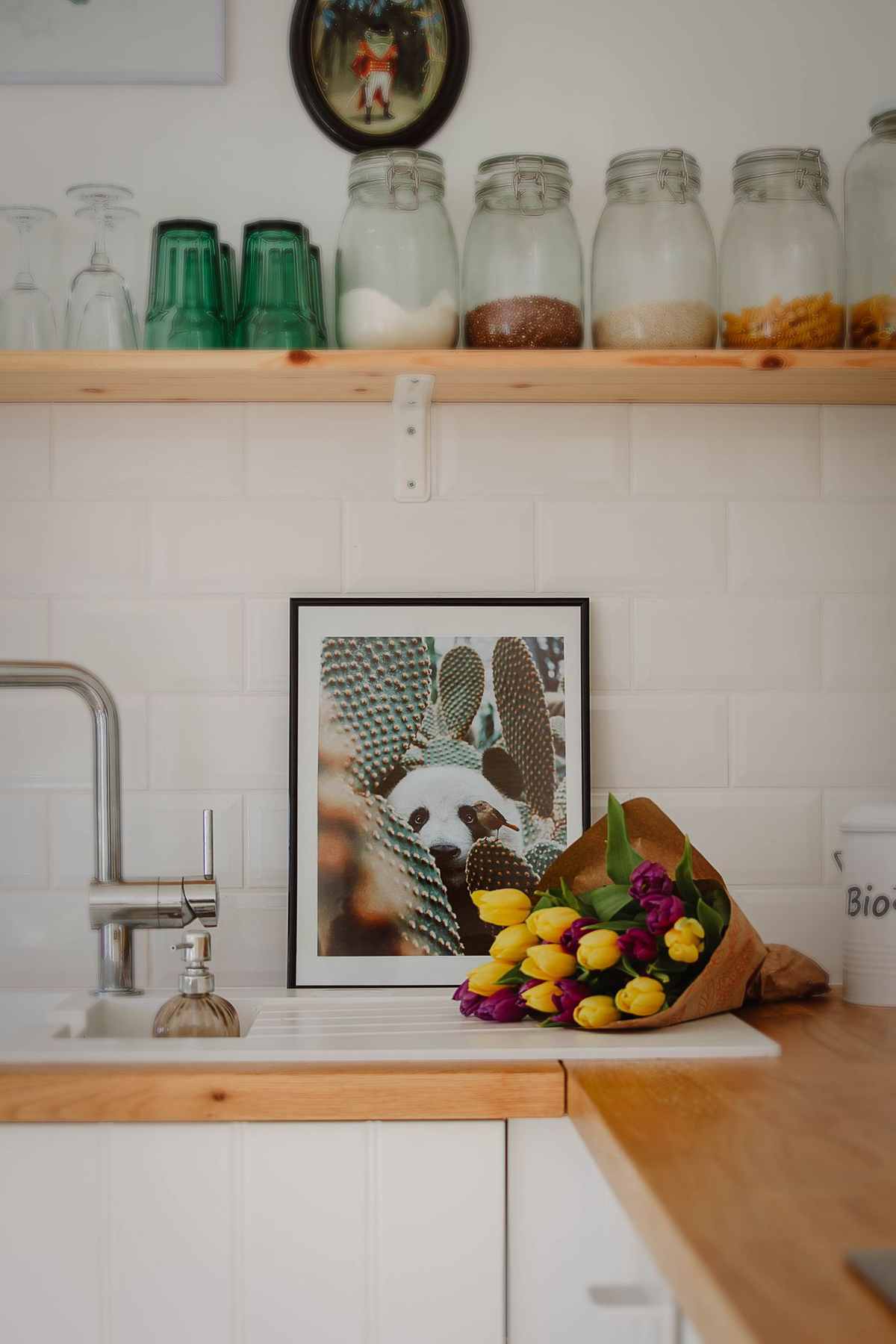
In the kitchen, food art is the natural subject — the one theme that can never look imported. Hang it where cooks and guests actually gather: the breakfast nook, the wall by the table, the stretch above a sideboard or open shelves. Keep paper and canvas pieces out of the direct line of steam and splatter behind the stove and sink; a few feet of distance is the difference between art and a cleaning problem. Small studies in a row suit the kitchen’s rhythm of counters and cabinets better than one large piece in most layouts, because the room’s walls come in fragments.
Seasonal rotation suits this subject better than any other. Market imagery is the year in pictures — blossom and asparagus, tomatoes and corn, squash and apples, the citrus and preserves of winter — and a household that swaps two or three food prints with the seasons gets a room that ripens and changes like the cooking does. The prints waiting their turn store flat and take no closet worth mentioning. Few decorating habits give so much freshness for so little furniture moved.
Scale to appetite, not to wall: kitchen art is viewed at arm’s length, while chopping, stirring, and talking, so detail rewards and spectacle distracts. A cook’s eye catches a beautifully drawn herb every single day.
Choosing food wall art: what separates art from signage
Three checks keep a food piece on the art side of the line. First, craft in the image: was it drawn, painted, photographed, or designed with intention? The great posters and studies pass instantly — you can see the artist’s hand in the lettering, the composition, the restraint. Generic clip imagery fails just as fast; it was made to fill space, and at wall size it looks like exactly that. Second, specificity: a real place, a real varietal, a real market, a named dish with a home. Specific images root a room in the world; anonymous food pictures could hang in any chain restaurant on earth, and your wall can tell the difference. Third, your own table: the best food art is autobiographical the way maps are — the cuisine you cook, the market town you shop in, the drink of your region or your rituals. A household that bakes will live happily with wheat and orchard imagery for decades; the same pieces are set dressing in a house that never turns on its oven.
Pairing food art with the room’s other elements rewards a light touch. Let the art carry the produce colors and keep textiles quieter, or let a bold poster be the single saturated note in a calm room. Avoid matching the art’s palette to the food-themed accessories — the checked curtain, the rooster canister, the grape border — because theme-upon-theme is what tips the subject into kitsch. One confident piece, given air, reads as a collector’s choice; a coordinated set reads as a kit. Collectors are who you are decorating as.
The dining room: the poster tradition at home
The dining room is where the vintage poster comes into its inheritance. A single large cafe or wine poster above a sideboard gives the room a bistro’s convivial confidence; a pair of market scenes flanking a serving piece gives it a harvest’s. Diners sit with these images for the length of a meal, in warm light, and the posters’ flat color and easy subjects are built for exactly that duration — pleasurable at first glance, never demanding a second hour’s interpretation.
Beyond the two eating rooms, the subject visits well. A hallway to the kitchen carries a single framed market print like a signpost to the house’s working heart, and a bar cart or coffee corner anywhere in the house is a natural plinth for one small, well-chosen drink study. The rule for export is the same as at home base: one piece, specifically chosen, allowed its own air.
If your dining room runs formal, the subject adapts rather than retires: classical still life treatments of food — the laden table, the cut citrus — carry the theme at a higher register, and ingredient studies in fine frames read as natural history. The principle holds across registers: choose food wall art that honors what happens at your table, and the room will feel catered even on a Tuesday. Appetite, presented with taste, is simply hospitality made visible.
More in Subject Guides



Continue exploring: Subject Guides guides · All guides