

Do Canvas Prints Fade? Light, Ink, and Time
Light does the damage slowly, and the wall you pick sets the pace. A bright sunbeam and a lamp-lit interior wall lead to very different timelines.
Key Takeaways
- Yes, canvas prints fade over time, but how fast depends on ink and light exposure: pigment inks are markedly more lightfast than dye-based inks, and a protective coating with UV inhibitors adds a second defense.
- Total light dose matters most: a print in direct sun can show visible change in a few years even with good inks, while the same print on an interior wall lit only by lamps may look unchanged after decades.
- Hang out of the path of direct sunbeams where you can: in a living room with big windows, the wall beside the glass usually receives a fraction of the light of the wall facing it, and UV-filtering window film and modern LED lighting, which emits essentially no ultraviolet, also help.
- Treat lifespan figures as comparative, not absolute: accelerated lab tests assume stated conditions such as a print framed behind glass in moderate indoor light, not an unglazed canvas in summer sun for six hours a day.
- To check for fading, compare the front with the canvas wrapped around the back edges, which has lived in darkness; if the front has drifted, the difference between the lit and unlit canvas is plain.
Yes — and so does everything else you own that has color. Fading is not a defect peculiar to canvas prints; it is what light does to colorants, given time. The useful questions are how fast do canvas prints fade, what speeds it up, and what you can do about it. On those, canvas prints have a genuinely good story to tell — provided the print was made with the right inks and you hang it with a little sense. Here is the honest version, without the marketing numbers.
Do canvas prints fade? What fading actually is
Light carries energy, and the ultraviolet end of the spectrum carries the most. When UV and strong visible light strike the colorants in a print, they break down the molecules that produce color — a slow photochemical erosion. The colors do not fade evenly: some pigments are sturdier than others, which is why an old, sun-struck print often shifts in hue as well as lightness, with magentas and yellows typically surrendering at different rates and the image drifting toward blue or green. Heat and air pollutants assist the process at the margins, but light is the author of nearly all fading you will ever see. No light, essentially no fade — prints stored in the dark keep their color for a very long time, which is why storing wall art well matters when a print spends a season off the wall.
Ink type decides the starting point
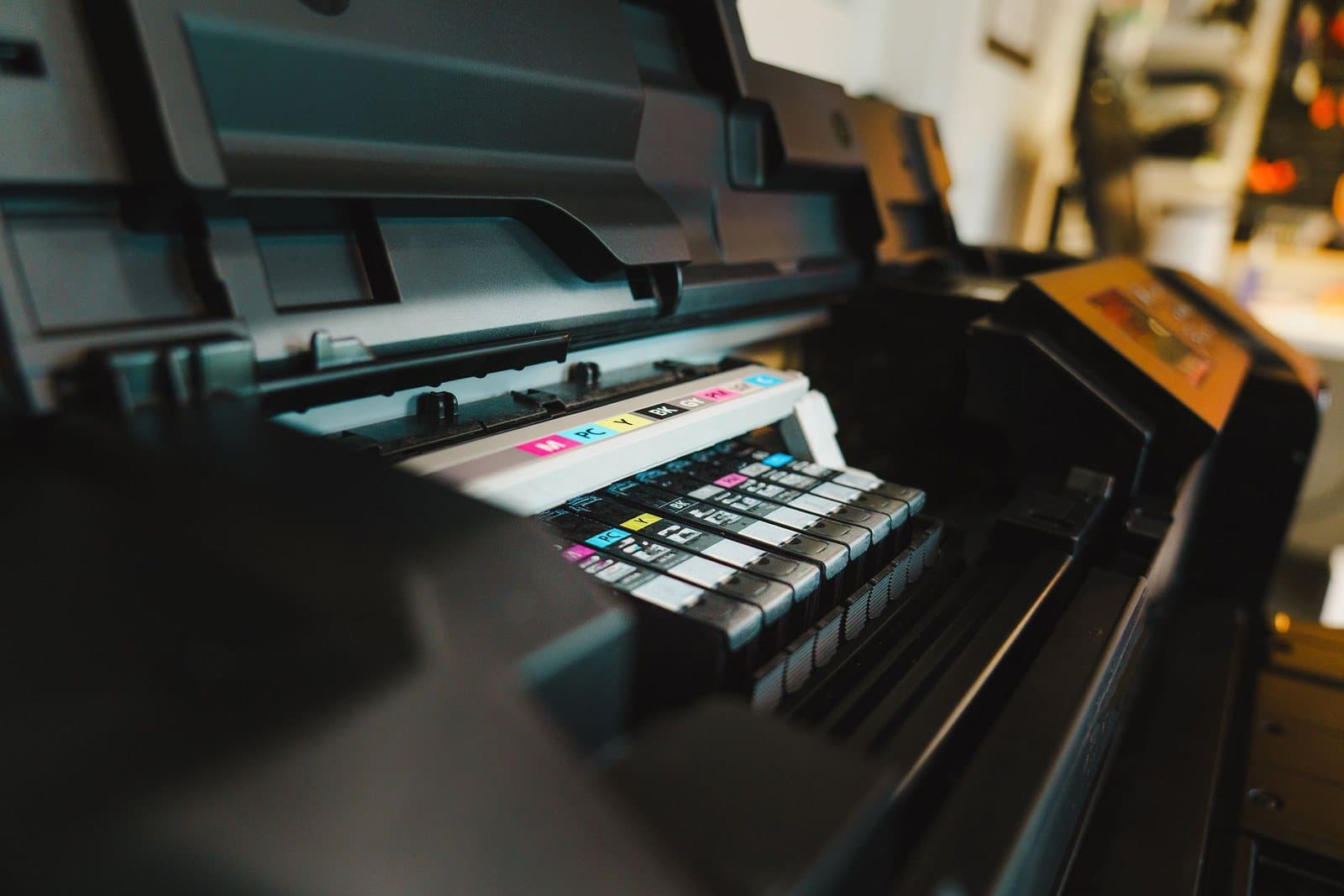
The biggest variable is set before the print reaches you: what kind of ink it was printed with. Dye-based inks dissolve their colorants in liquid, and the resulting molecules are comparatively fragile in light. Pigment inks — the standard for serious canvas printing — carry color in solid particles that sit on the surface, and they are markedly more lightfast. This is why two prints of the same photograph can have utterly different fates on the same wall. If a seller cannot or will not tell you whether their inks are pigment-based, that silence is information, and judging a print’s quality before you buy starts with exactly such questions. A protective coating adds a second defense: a clear coat with UV inhibitors absorbs some of the ultraviolet before it reaches the ink, and it also shields the surface from the small abrasions that read as wear.
Heat, humidity, and the supporting cast
Light does the damage, but the room sets its pace. Heat accelerates the same photochemistry — a print above a working fireplace or a radiator is being aged by its address, on top of the soot and dust such spots deliver. Humidity matters differently: it does not fade ink directly, but damp air invites mold on the canvas’s back and foxing-like spots, and repeated swelling and shrinking of the fabric works at the coating’s surface. Cooking grease and cigarette smoke yellow a print by deposition rather than fading — the image is unchanged underneath a film, which is a cleaning problem, not a light problem, and the one member of this cast that can sometimes be reversed — cleaning a canvas print without harming it has its own short guide. Keep the ranking straight: sunlight first and by a distance, then heat, then damp — and the remedies follow the same order.
About those “100-year” claims
You will encounter lifespan figures in print marketing — sometimes very large ones. Here is where they come from, so you can weigh them properly. Ink and paper makers test their materials with accelerated aging: prints are exposed to intense light in laboratory conditions, the early fade is measured, and a lifespan is extrapolated under stated assumptions — typically a print framed behind glass, in moderate indoor light, at a defined temperature and humidity. Those tests are real and the comparisons between materials are useful. But the headline number describes a print living the test’s life, not yours: a canvas in a sunlit room, unglazed, in summer sun for six hours a day, is not the test’s print. The honest takeaway is comparative, not absolute — pigment inks on good materials earn ratings that dwarf dye inks, and your hanging choices then decide which end of the range you actually get.
Where you hang it matters more than almost anything
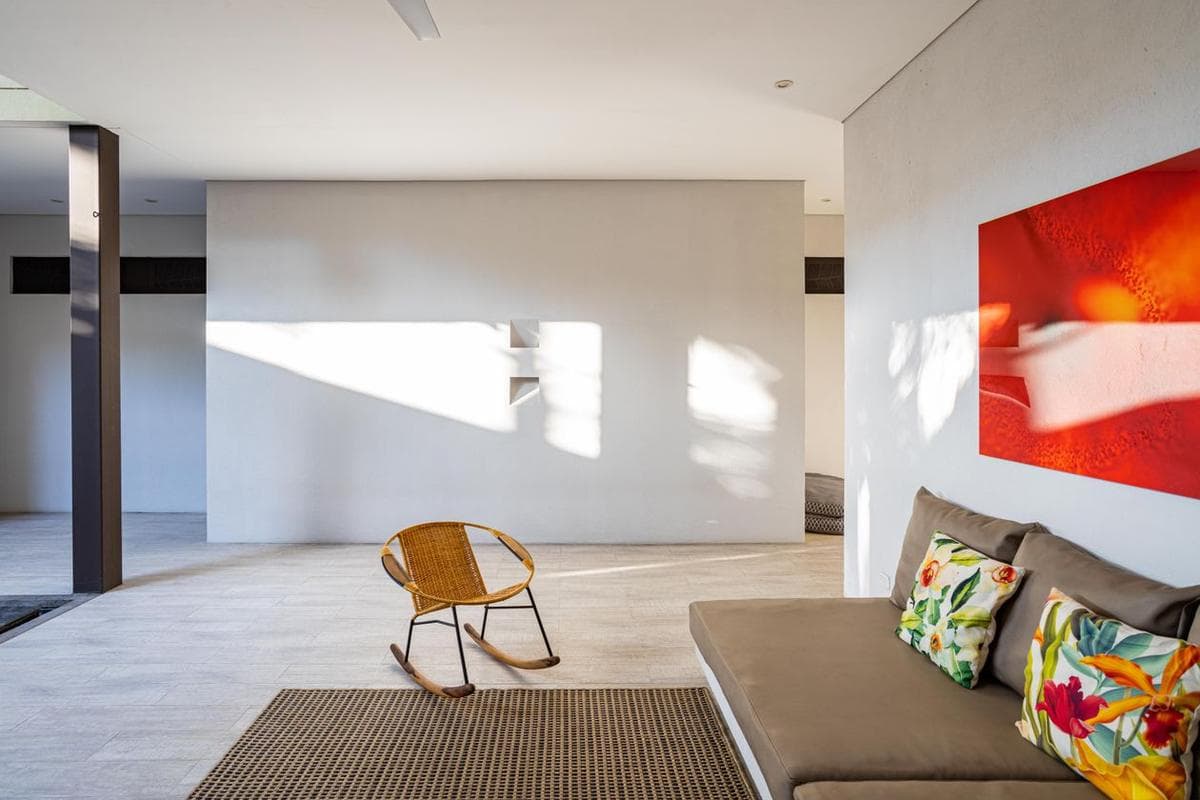
Total light dose is what counts — intensity multiplied by hours. Direct sun is the extreme case: a print in a south- or west-facing window’s daily sunbeam can show visible change in a few years even with good inks, while the same print on an interior wall lit only by lamps may look unchanged after decades. Most rooms sit between those poles, and a few moves shift you toward the good end. Hang art out of the path of direct sunbeams; if a favorite piece must live in a bright room, a wall the sun never directly strikes is a very different home from the opposite one. In a living room with big windows, the wall beside the glass usually receives a fraction of the light of the wall facing it. UV-filtering window film and modern LED lighting — which emits essentially no ultraviolet — both quietly extend a print’s life.
What glass and window film can and cannot do
Buyers of framed work often ask whether UV-protective glazing ends the fading question. It helps, within limits worth understanding. Ordinary window and picture glass blocks most of the shorter, harsher ultraviolet wavelengths but lets a good deal of the longer UVA through; specialist UV-filtering acrylic and laminated glass block far more — the best of them the great majority of UV — and window films can do the same for a whole sunlit room. But no glazing stops visible light, and visible light, given years, fades too, only more slowly. Canvas prints complicate the picture further because most hang unglazed by design: their defense is the coating, not a pane. So treat filtration as a brake, not a wall. It stretches a timeline; it does not repeal it, and the wall you choose still matters more than the film you buy.
The rotation trick: resting a print
Museums, which think in centuries, rotate light-sensitive works off display to rest them in the dark — and the same logic scales down to a hallway. A print you love that must live in a bright room can trade places seasonally with one from a dimmer wall, halving each piece’s annual light dose at a stroke. Rotation has a decorative dividend, too: rooms feel quietly refreshed when the art changes, and a piece returning from rest looks startlingly vivid simply because your eye had half-forgotten it. If you keep a seasonal rotation — a practice this site’s journal has written about in its own right — you are already doing conservation work disguised as decorating.
Do canvas prints fade? What it looks like when it comes
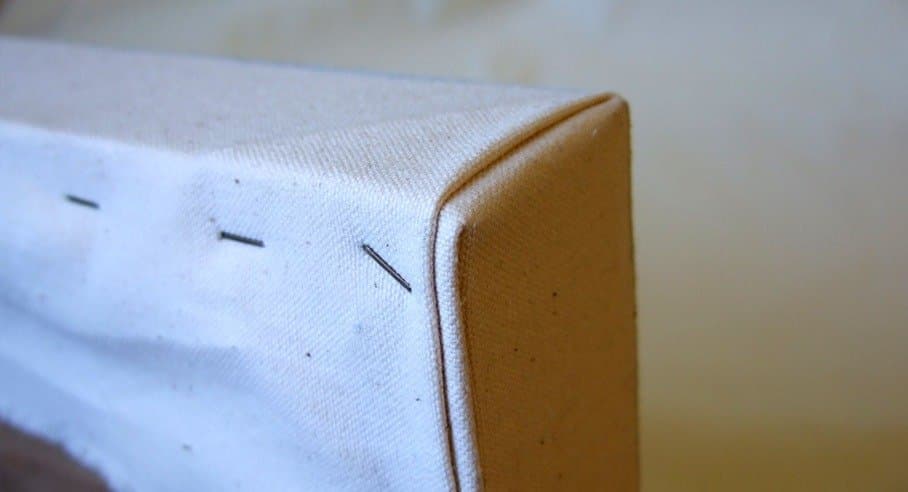
Fading announces itself subtly. Whites in the image go first in perception: highlights that once read crisp begin to look flat and slightly warm. Saturated reds dull toward brick; skies lose their depth as the balance shifts. The telltale test is comparison: lift the piece and look at the canvas wrapped around the back edges, which has lived in darkness — if the front has drifted, the difference between the lit and unlit canvas is plain. Nothing about ordinary fading is dangerous or sudden; a print does not expire. It simply, slowly, becomes a paler version of itself — which is why prevention, in the form of a sane wall and pigment inks, is worth more than any remedy.
So the honest answer to the title question — do canvas prints fade? — is that they fade the way photographs and fabrics fade — slowly, predictably, and mostly at the speed your room sets. Choose pigment inks and a coated surface, keep the piece out of direct sun, and you have done nearly everything that can be done; the print will very likely outlast the decor around it, and outlast several repaints of the wall behind it besides. More plain answers live on our FAQ page.
More in Care & Print-Craft Quality
Continue exploring: Care & Print-Craft Quality guides · All guides